

Editor’s note: this one’s personal. Numbers and specifics are mine. Your mileage will vary — but the math won’t.
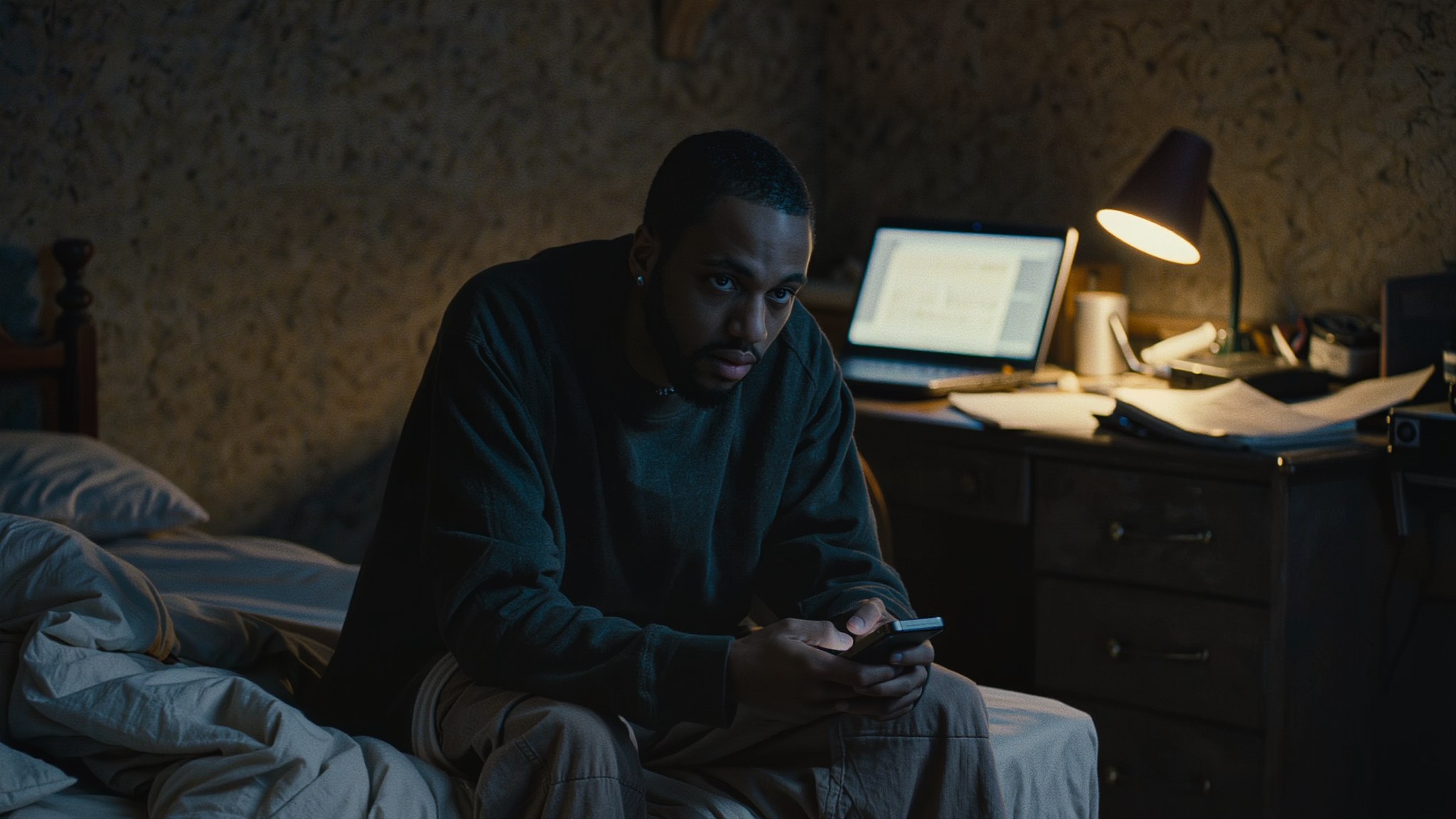
I spent about two years chasing playlists.
Not casually. Seriously. Spreadsheets. A submission calendar. A folder of pitch templates I’d rewrite depending on whether the curator’s bio said “vibes” or “underground.” I had a routine where I’d drop a song and then spend the next eleven days refreshing a dashboard like it was a slot machine.
I stopped. Not because I got playlisted and it didn’t work. Because I sat down and actually did the arithmetic on what I was buying, and the arithmetic was ugly.
Here’s the whole thing, laid out — what Spotify playlist promotion actually costs, what it actually buys, and the part where I almost blew up my catalog.
What I was actually paying for
Start with the honest version of the funnel, because nobody says it out loud.
Most “playlist submission” platforms sell you access, not placement. On SubmitHub — probably the most legitimate one in the category — credits start at $1 each and go as low as $0.78 in bulk. A premium credit obligates the curator to respond within 72 hours and listen for at least 60 seconds. If they don’t hold up their end, you get the credit back.
Read that again. What you’re guaranteed is sixty seconds of a stranger’s attention. That’s the product. Everything past that is a maybe.
And that’s the good version. That’s the one operating in good faith.
I was spending somewhere in the neighborhood of $60–80 per single. Call it seventy. Multiply by the releases I put out that year and I’m looking at real money — money that was sitting right there next to a mic upgrade I kept telling myself I couldn’t afford.
Now here’s the part that actually broke the spell. I ran the other side of the equation.
The math that ended it for me
Say a submission round lands you on a handful of small independent playlists and pulls a few thousand streams. Feels like a win. Screenshot it, post it.
Now price those streams. If you’ve read what Spotify actually pays per stream, you already know the per-play number is small enough that a few thousand streams is lunch. Not rent. Lunch.
So I paid seventy dollars for lunch money and a screenshot.
But the streams were never really the point, right? The point was supposed to be that placement triggers something — that the algorithm notices, picks the song up, and carries it somewhere I couldn’t push it myself.
That’s the promise. And it’s the part I stopped believing, for a reason I’ll get to.
The email that scared me straight
About eighteen months in, I got the offer everybody eventually gets. Guaranteed streams. Guaranteed placements. A number attached, and the number was not large.
I didn’t take it. I want to be clear I didn’t take it — but I want to be equally clear that I sat with that email longer than I’m proud of. I was tired. It was cheap. And I had already spent more than that on submissions that went nowhere.
Then I read the actual policy, and I want every artist reading this to read it too.
Spotify’s position is not subtle. “Paid 3rd-party services that guarantee streams aren’t legitimate.” Using one “could result in your music being removed from Spotify.”
Here’s what happens mechanically when artificial streams land on your track, in Spotify’s own words:
- Those streams do not earn royalties
- Those streams do not count toward public stream numbers or charts
- Those streams do not positively influence recommendation algorithms
Sit with that third one. The entire reason you’re buying streams is to trip the algorithm. Bought streams are specifically filtered out of the thing you’re trying to trip. You are paying money for a number on a screen and nothing underneath it.
And since April 1, 2024, it stopped being merely useless and started being expensive. Spotify now charges labels and distributors a per-track fee when flagrant artificial streaming shows up on their content. That fee gets passed straight down. TuneCore spells it out: a €10 penalty per track, charged monthly, recurring every month the track shows up in Spotify’s fraud report.
Monthly. Not once. Every month it’s flagged.
Then the part that would genuinely end a project: tracks with high percentages of fraudulent streams “will be removed from all streaming and download platforms,” and — this is the line — “You will not be able to reupload or redistribute tracks that have been removed.” Depending on how bad it is, the whole account can be shut down.
So the worst case isn’t wasted money. The worst case is a song you spent six months on becomes permanently un-releasable, and you’re rebuilding your distribution from zero. If you’re weighing distributors partly on how they handle this, it’s worth knowing how each one treats you when something gets flagged.
And the ugliest wrinkle: you don’t have to buy the streams for this to hit you. Bots get pointed at tracks for all kinds of reasons. If someone sends fake streams at your song out of spite or by accident, the flag doesn’t come with a note explaining it wasn’t your fault.
What I should have been doing the whole time
Here’s what stung most. The single most valuable pitch available to an independent artist is free, and I was treating it like an afterthought while I paid strangers a dollar a minute.
Spotify for Artists lets you pitch directly to their editorial team. It costs nothing. The rules are plain: deliver your music at least 7 days before release, pitch one song at a time, and once that song goes live you can pitch the next one.
Spotify says outright that “pitching doesn’t guarantee placement.” Fine. But look at what you get regardless of whether an editor ever picks it:
If you pitch at least seven days before release, your song goes into your followers’ Release Radar.
That’s the whole game right there, and it’s free, and I was late on it constantly because I was busy filling out submission forms.
Release Radar goes to people who already followed you. People who already decided they like what you do. Those are the listeners whose saves and repeat plays are real signal — the kind that actually does influence recommendations, because it’s actually human.
Miss the seven-day window and you’re not in Release Radar on release day. I missed it more times than I want to admit. Free, decisive, and I fumbled it chasing a curator with 4,000 followers.
The one legitimate version of Spotify playlist promotion
I’ll be fair here, because there is one above-board way to pay for reach and you should know the terms before somebody sells you a warped version of it.
Spotify’s Discovery Mode isn’t a playlist. It surfaces your track in Radio and Autoplay — the stuff that plays after a song ends. You don’t pay cash. You accept a lower royalty rate on the streams it generates. In Spotify’s own framing, “creators agree to a lower ‘promotional’ royalty rate for those streams, where Spotify charges a 30 per cent commission.”
Two things worth holding onto. First, the commission applies only inside Radio and Autoplay — every other stream of that track stays commission-free. Second, Spotify’s own reported modeling showed artists averaging a 50% lift in saves, 44% more playlist adds, and 37% more follows in the first month.
Those are Spotify’s numbers about Spotify’s product, so weigh them accordingly. But at least the deal is written down. You know exactly what you’re giving up and exactly where it applies. Compare that to a Telegram account promising 50,000 streams for $40, and you can see the difference between a trade and a trap.
Personally? I haven’t used it. Thirty percent off the top of a stream rate that’s already thin is a hard sell for me. But it’s a real option with real terms, and I’d rather an artist take that deal than the other one.
The number nobody chasing playlists ever mentions
One more piece of math, and this is the one that reorganized how I think about releases entirely.
A track has to hit at least 1,000 streams in the previous 12 months to be included in the royalty pool at all. There’s also a minimum number of distinct listeners, and Spotify deliberately won’t publish that figure so nobody games it.
Below the line, your song earns zero. Not a small amount. Zero.
Which means a catalog of twelve songs sitting at 400 streams each is a catalog earning nothing, no matter how good those songs are. And it reframes what “success” even looks like: getting one song past a thousand real streams with real listeners is worth more than spreading a promo budget thin across five songs that all stall at 600.
Concentrate. Don’t spray.
What I do now instead
I didn’t quit promotion. I moved the money and the hours somewhere they compound.
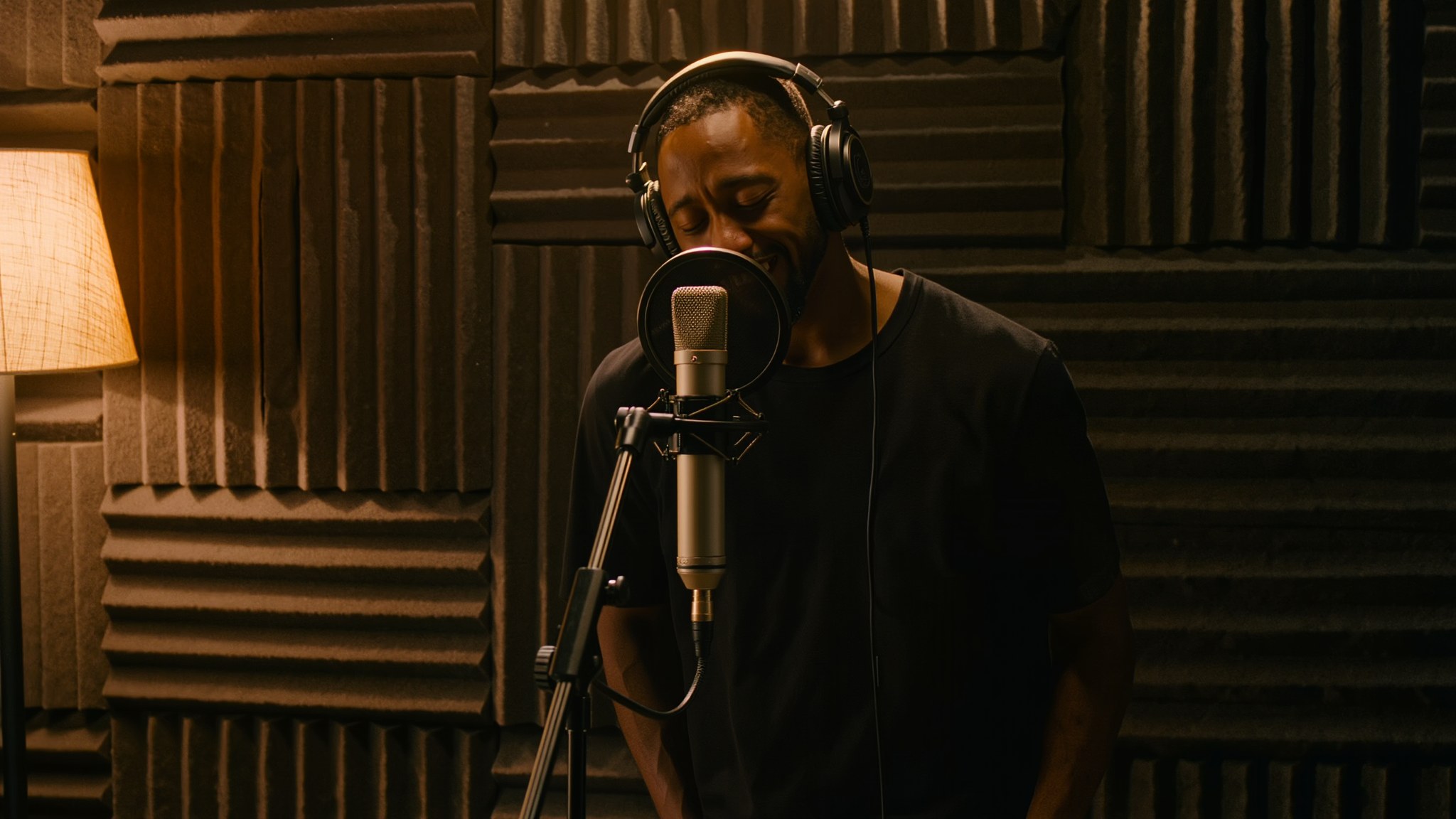
I pitch through Spotify for Artists, every time, at least seven days out. It’s free and it’s the only pitch that also puts me in Release Radar. It goes on the calendar before anything else.
I stopped paying for curator attention and started paying for the record. Roughly what I was burning on submissions per release now goes toward mixing, or gear, or paying somebody who’s better than me at one specific thing. A better record does promotion work forever. A submission credit works for sixty seconds. Most of what’s in my room now got there this way.
I chase saves, not plays. A save is a person telling the platform they want this again. A play from a playlist nobody’s paying attention to is background noise with a number attached. I’d take 200 saves over 5,000 passive streams and it isn’t close.
I release less and push each one longer. Getting one track over that 1,000-stream line beats five tracks stalling under it. So I stopped treating release day as the finish line and started treating it as week one of about ten.
I make sure I actually own what I’m promoting. There’s no sadder version of this than an artist grinding streams on a song whose publishing side isn’t registered, leaving money sitting in a collection society they’ve never heard of. Promote the song after you’ve claimed it, not before.
The honest close
I’m not going to tell you playlists don’t matter. They do. Real placement on a real playlist with real listeners can change a year.
What I’m telling you is that you can’t buy your way to that, and the thing being sold to you as a shortcut is mostly access to a stranger’s sixty seconds — or, at the bad end, a recurring fine and a song you can never re-upload.
The pitch that mattered most was free the whole time. I just couldn’t hear it over the sound of my own hustle.
Make the record better. Pitch it free, seven days out. Chase saves. Get one song over a thousand.
Then do it again.
Policies and rates cited here were verified against Spotify, TuneCore and SubmitHub documentation as of September 2026. Terms change — check the source links before you make a decision based on them.