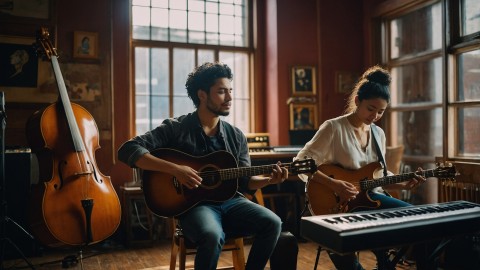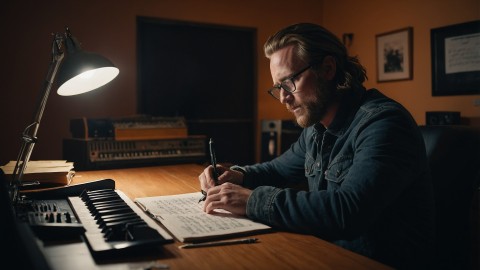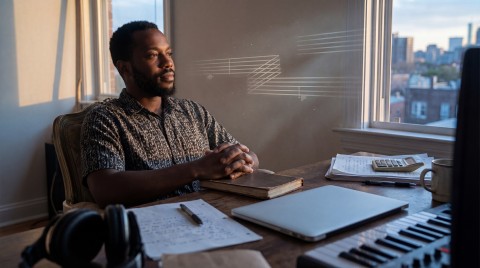


There was a moment in time when being independent was not a brand. It was not a strategy. It was not something you added to your bio to sound intentional. It was simply the position you were in if you loved creating and did not have access to the industry machine. That era shaped an entire mentality, one built on resourcefulness, patience, and belief long before validation ever arrived.
The independent artist mentality did not come from abundance. It came from limitation. Limited money. Limited access. Limited visibility. You learned quickly that if you wanted something to exist, you had to build it yourself. There was no shortcut around that reality. And because of that, independence became less about rebellion and more about responsibility.
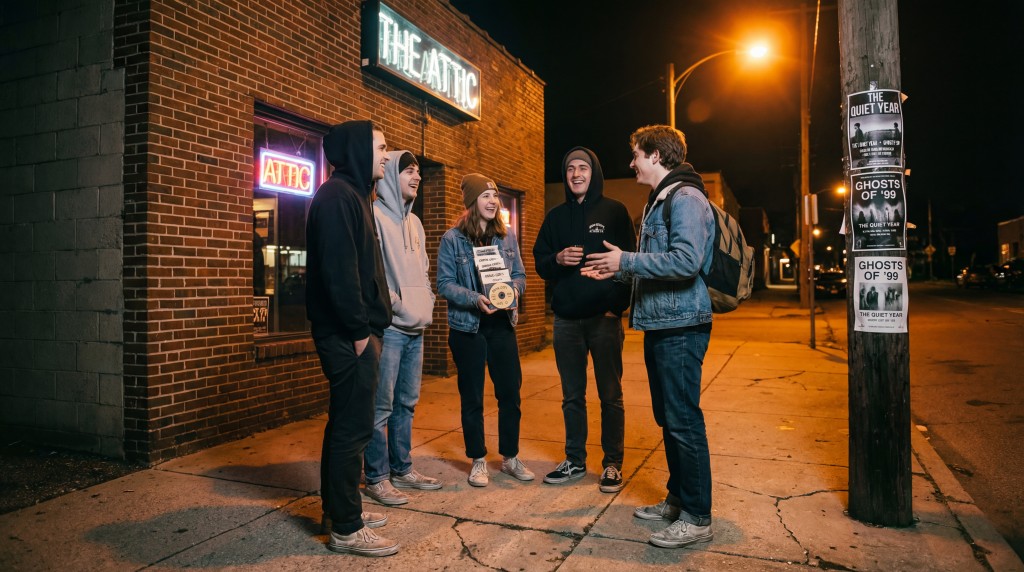
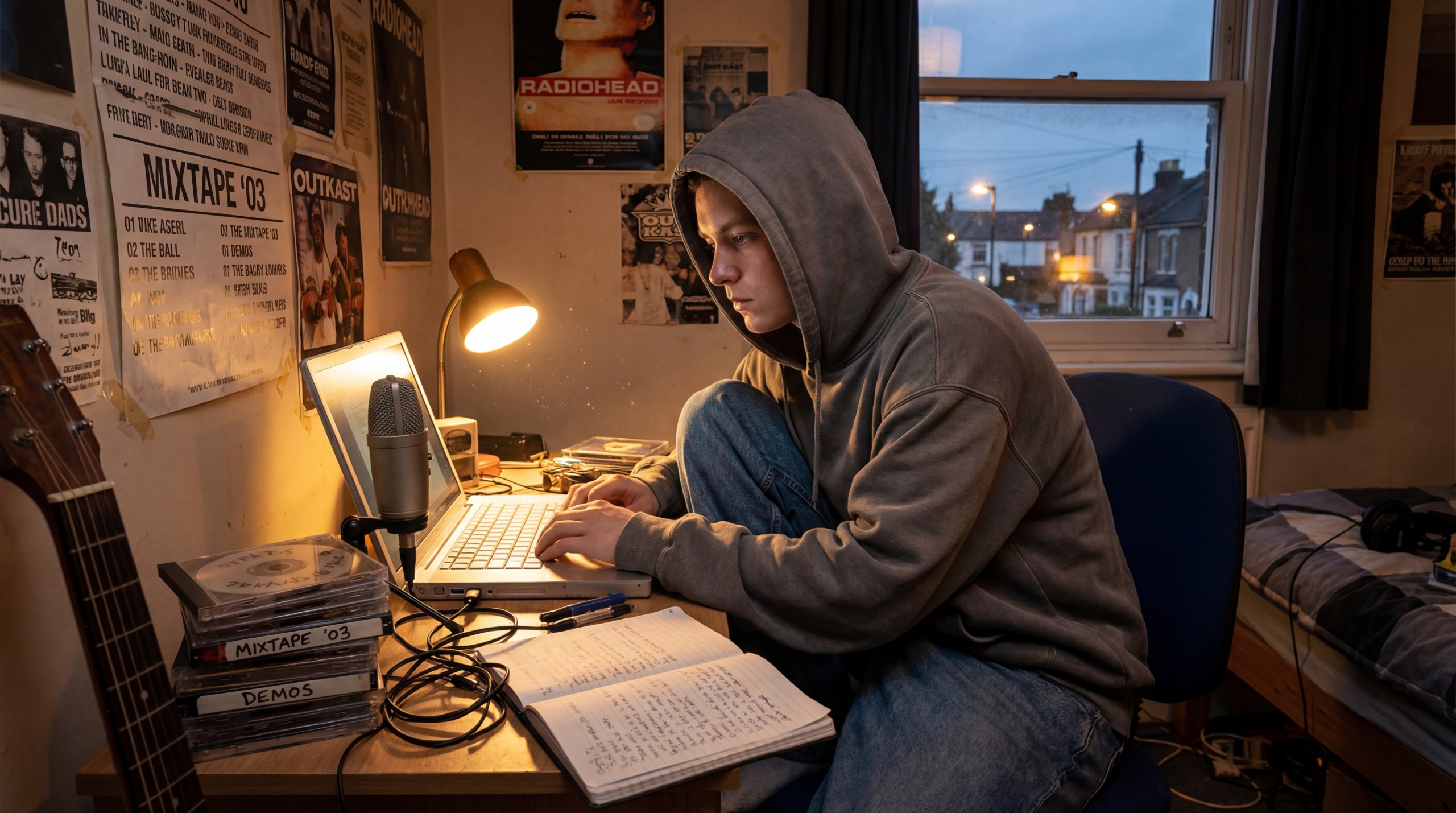
Before algorithms decided who got seen, discovery felt accidental and personal. Someone heard your song because a friend burned it onto a CD. Someone watched your video because it played late at night on a channel they happened to leave on. Someone showed up to a show because they trusted a recommendation, not because a post went viral. That made every connection feel earned.
That era taught artists how to sit with uncertainty. You released work without knowing if anyone would hear it. You practiced without knowing when the opportunity would come. You kept going without guarantees. That patience became a muscle. It shaped how you approached not just art, but life.
There was also a deep sense of ownership over the work. When you did everything yourself, you understood every part of the process. Recording, artwork, promotion, performance, distribution. Even if you were not perfect at all of it, you respected it. You knew how much effort lived behind every finished piece. That awareness built pride and discipline.
Independence also taught humility. You learned quickly that talent alone was not enough. You could be gifted and still invisible. You could be consistent and still struggle. That reality forced you to grow thicker skin and a wider perspective. You learned to separate ego from progress. You learned to listen.
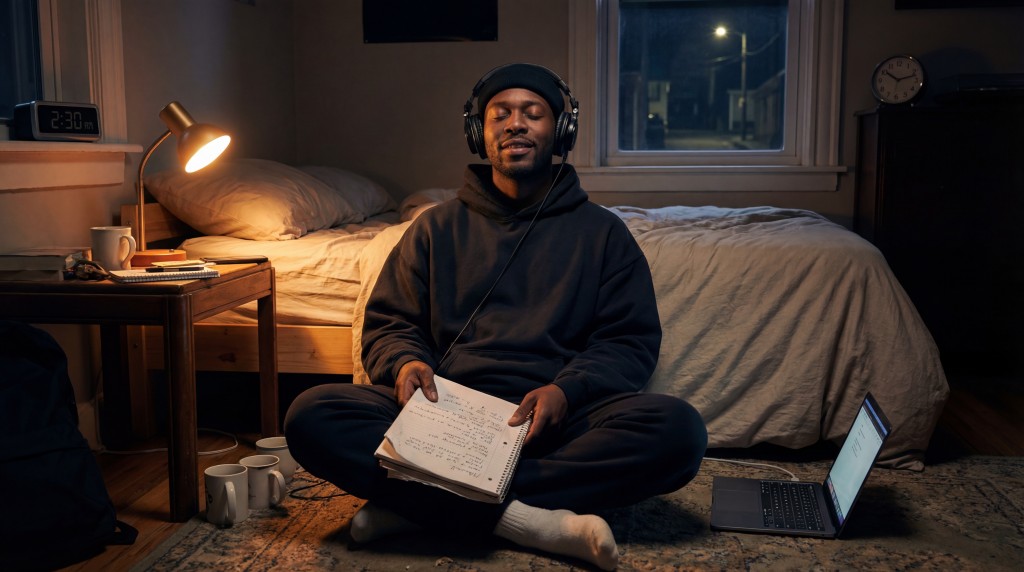
Community mattered more back then. Not in a superficial way, but in a survival way. You traded favors. You shared resources. You showed up for each other because there was no safety net. Support was not measured in likes. It was measured in presence. Someone coming to your show meant something. Someone buying your project meant something. Someone believing in you enough to pass your name along mattered.
That era also shaped how artists related to money. Most of us did not have it. So we learned to stretch what we had. We learned to invest carefully. We learned that one good opportunity could fund the next step if you were smart about it. That mindset created artists who were cautious but determined, frugal but focused.
There was a different relationship with time as well. Growth felt slower, but deeper. Careers were built over years, not weeks. You had space to evolve publicly without being constantly compared. You were allowed to experiment and fail quietly. That freedom gave birth to originality.
The independent artist mentality also came with sacrifice. Missed nights out. Long hours. Self doubt. Watching others succeed faster while you stayed grinding. But there was also pride in knowing you were building something real. Something that belonged to you.
Technology changed everything later, but the mentality was already formed. When platforms made distribution easier, the artists who survived were the ones who already knew how to work. They had learned discipline before convenience. They understood consistency before metrics. They respected the craft before the spotlight.
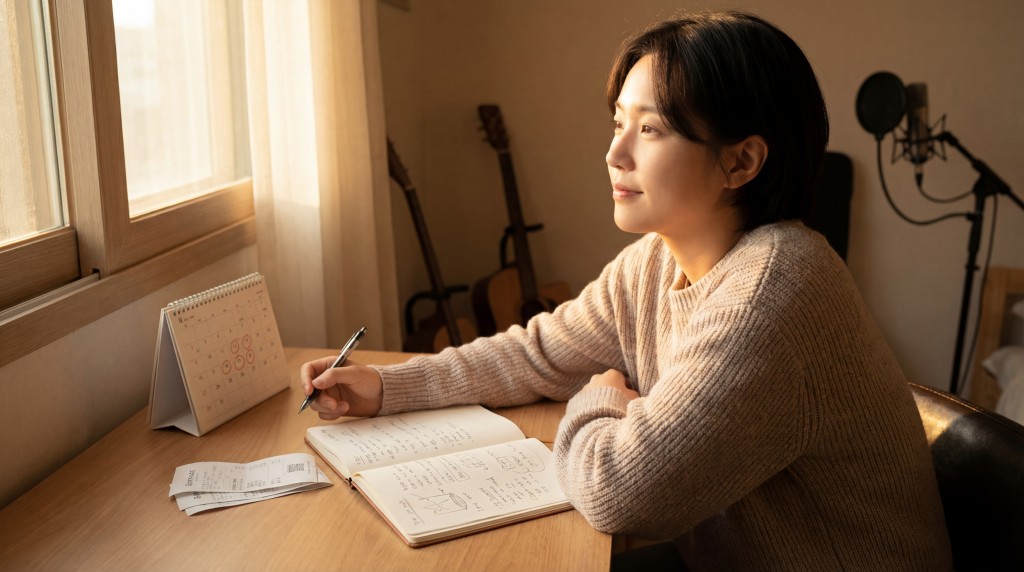
That era taught artists how to self motivate. There was no constant feedback loop. No real time validation. You had to believe in your work without applause. That belief became internal. It did not depend on external approval. That kind of confidence is quiet and durable.
It also taught artists how to listen to themselves. Without trends dictating every move, you learned to trust your instincts. You made what felt honest. You followed curiosity instead of analytics. That authenticity became the foundation of long term careers.
The independent artist mentality was shaped by necessity, but it became a philosophy. Do not wait for permission. Learn what you need to learn. Protect your voice. Respect your audience. Build patiently. Stay adaptable.
Even now, in a world where access is easier than ever, that mentality still matters. Tools change. Platforms change. Attention shifts. But the core remains the same. The artists who last are the ones who understand that independence is not about isolation. It is about agency.
Looking back, that era feels quieter. Slower. More uncertain. But it also felt more grounded. You were not chasing everything at once. You were focused on the next step. You were present in the process.
This is not nostalgia for struggle. It is respect for what it taught. It taught artists how to endure. How to adapt. How to create without permission. How to build something meaningful from very little.
The era that shaped the independent artist mentality did not promise success. It promised responsibility. And in that responsibility, many artists found their voice.
That mentality still lives in the artists who choose to learn instead of complain. Who build instead of wait. Who value ownership over applause. Who understand that independence is not a trend. It is a way of moving through the world.
That era did not just shape careers. It shaped character. And that is why it still matters.