
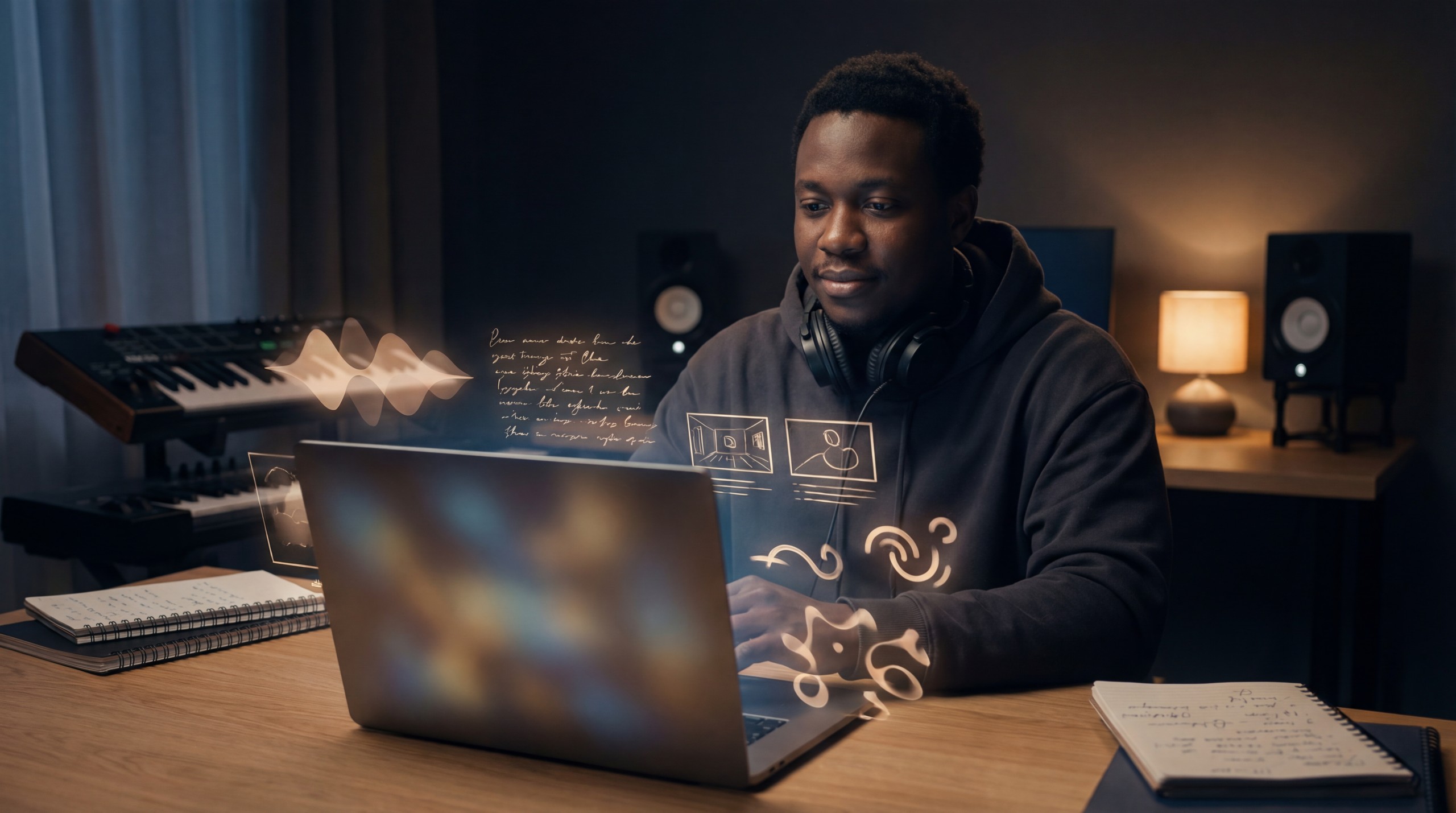
There was a time when using advanced tools meant you had a budget, a team, or an industry connection. If you were independent, you figured things out with whatever you had. A laptop, a cracked version of something, long nights, and a lot of trial and error. What makes this moment different is not that technology suddenly matters. It is that power has shifted. The same kinds of tools that used to be locked behind money or gatekeepers are now accessible to anyone willing to learn them. The best AI tools for independent artists aren’t about replacing creativity — they’re about saving time, reducing costs, and helping artists stay independent in a crowded digital economy.
Why Independent Artists Are Turning to AI Tools
AI is not here to replace creativity. It is here to remove friction. And for independent artists, friction has always been the enemy. Time, energy, money, and mental bandwidth are limited when you are doing everything yourself. The right tools do not make you less authentic. They make it easier to stay consistent, focused, and sane.
This is not a list written from a place of hype. It is written from the perspective of someone who understands what it feels like to build without a safety net. These tools matter because they solve real problems that artists deal with every day.
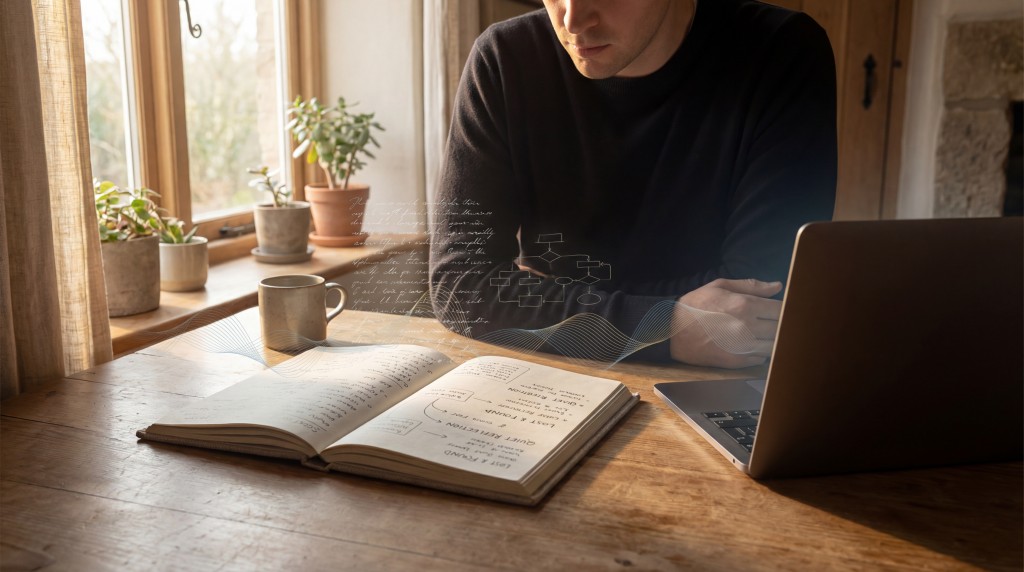
Best AI Tools for Music Creation & Production
One of the most misunderstood AI tools the independent artists use right now is ChatGPT. A lot of people treat it like a shortcut for writing captions or bios, but its real power is in thinking with you. Independent artists rarely lack ideas. What they lack is clarity. ChatGPT helps you organize thoughts, plan releases, refine messaging, and turn vague concepts into something actionable. You can use it to outline an album rollout, write email drafts, brainstorm content angles, or even rehearse difficult conversations. It does not replace your voice. It helps you hear it more clearly.
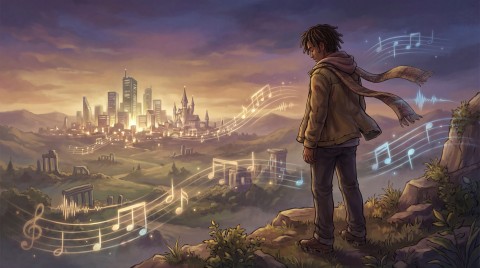
Visual storytelling has become just as important as sound, and that is where tools like Sora come in. The reason Sora is so powerful for independent artists is not because it makes things look expensive. It is because it allows you to build worlds without a production crew. You can create cinematic scenes, visual narratives, and atmospheres that match your music instead of settling for whatever stock image feels close enough. This matters because visuals are often the first point of contact between you and a new listener. When the imagery feels intentional, people assume the music is too.
Motion brings visuals to life, and Kling fills a gap that many artists did not even realize they had. Animation used to feel out of reach unless you knew someone or paid a lot. Kling allows you to add subtle movement, looping animations, and atmospheric motion that makes content feel alive. This is especially important for artists creating reels, visualizers, or mood pieces that support their sound. Movement holds attention. When used thoughtfully, it enhances emotion instead of distracting from it.
Editing is where many good ideas fall apart, not because the idea is bad, but because the process feels overwhelming. CapCut has quietly become one of the most important tools for independent creators. It lowers the barrier to editing without lowering the quality. You can cut reels, add captions, sync visuals to sound, and experiment without feeling like you need to be a professional editor. That freedom encourages consistency. Consistency is what builds momentum.
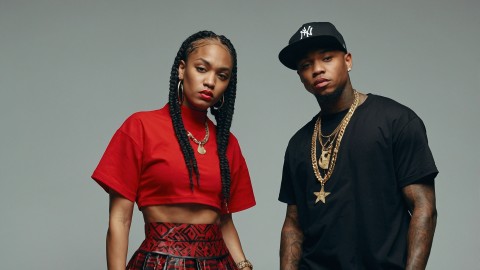
Design still matters, even in an era where everything moves fast. Canva is often underestimated, but it solves a real problem for artists who need clean visuals without spending hours on design. It allows you to create cover art concepts, promotional graphics, story posts, and even press materials that look cohesive. More importantly, it helps you maintain a visual identity. When everything you put out feels like it belongs to the same world, people start to recognize you before they even read your name.
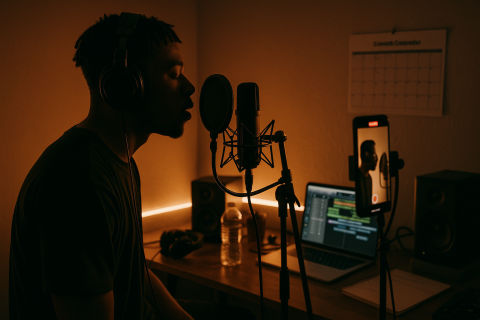
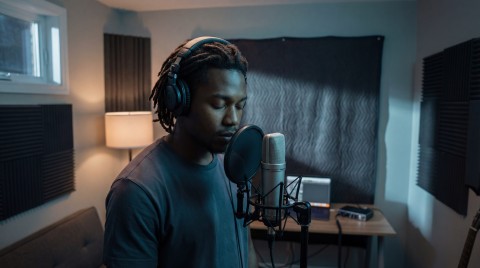
Sound is still the foundation, and AI has quietly changed how artists approach production and songwriting. Tools like Suno are opening up new ways to experiment with melodies, arrangements, and ideas. This does not mean outsourcing your creativity. It means giving yourself a sandbox to play in. Sometimes the hardest part of creating is getting started. AI tools that generate ideas can break creative paralysis and help you explore directions you might not have considered.
Organization is an underrated struggle for independent artists. When you are juggling music, content, finances, and life, things slip through the cracks. Notion, while not purely an AI tool, becomes exponentially more powerful when paired with AI features. You can build systems for tracking releases, managing ideas, planning content, and documenting growth. This kind of structure is not about becoming rigid. It is about reducing mental clutter so creativity has room to breathe.
Marketing has always felt uncomfortable for artists, especially those who care deeply about authenticity. AI tools can help reframe marketing as communication instead of performance. When you use AI to help draft messages, test ideas, or analyze what resonates, you spend less time guessing and more time connecting. The goal is not to sound like everyone else. The goal is to say what you mean more clearly.
What makes this moment special is that these tools reward intention. They do not work well if you are trying to cut corners or copy others. They work best when you bring something real to the table. AI amplifies effort. It does not replace it. The artists who benefit most are the ones who know who they are and use tools to express that more efficiently.
There is also a mindset shift that comes with using AI responsibly. You stop seeing yourself as behind or under-resourced. You start seeing yourself as adaptable. That confidence changes how you move. It changes how you release music, how you show up online, and how you plan long term. Independence stops feeling like a limitation and starts feeling like an advantage.
None of these tools matter if they pull you away from the work that matters most. They are meant to support your process, not consume it. The best way to approach AI is with curiosity, not pressure. Try one tool at a time. Use it to solve a specific problem. Pay attention to whether it saves you time or drains your energy. Keep what helps. Drop what does not.
Independent artists have always been innovators out of necessity. AI is simply the latest extension of that tradition. The difference now is that the gap between vision and execution is smaller than it has ever been. You can move faster without rushing. You can experiment without burning out. You can build something real without waiting for permission.
The future belongs to artists who learn how to collaborate with tools instead of fearing them. Not because technology is special, but because your time and focus are. The right AI tools give you more of both. Check out Strategies for Consistent Songwriting.