



Merch Operations for Artists: How to Build a System That Doesn’t Burn You Out
Merch is supposed to be the easy win.
You design something your fans actually want, you drop it alongside a release or a moment of momentum, and the money shows up while you sleep. At least, that’s the version people talk about on Twitter. In reality, merch operations for artists often feel less like passive income and more like a slow-motion anxiety loop.
Orders pile up. Someone emails about the wrong size. A package gets lost. You realize you oversold a hoodie you haven’t reordered yet. Suddenly you’re not thinking about music at all. You are knee-deep in tracking numbers, refund requests, and that quiet dread of opening your inbox.
The problem is not merch itself. The problem is running merch without operations.
This piece is not about design, branding, or hype drops. It is about the invisible systems that let merch exist without hijacking your creative life. If you are an independent artist, especially one running lean or solo, solid merch operations are not optional. They are the difference between sustainable income and something you quietly hope people stop buying.
This is operational guidance, not legal or tax advice. If you need help with compliance, sales tax, or consumer law, talk to a qualified professional.
Why Merch Operations Matter More Than Ever
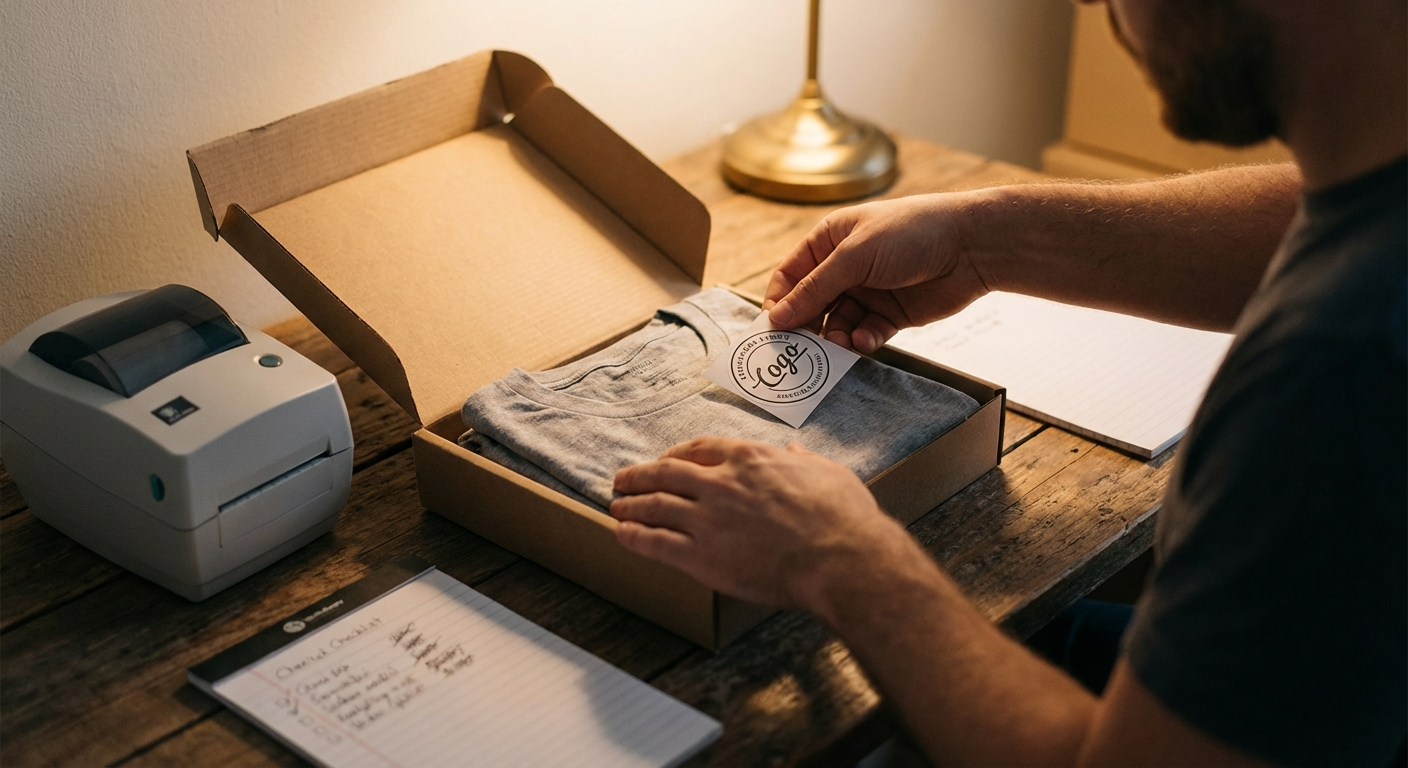
Merch used to be something you sold at shows or shipped once a month. Now it is a constant presence. Fans discover you at all hours, from anywhere in the world, and they expect the experience to feel intentional. When it does not, they do not just feel disappointed. They feel misled.
For artists, merch operations sit at a strange intersection. You are expected to feel personal and human, but also reliable and professional. You do not get the luxury of a warehouse team or a customer service department, yet the expectations have not lowered to match that reality.
That is why merch operations for artists need to be boring in the best way possible. The more unremarkable your systems are, the more space you get back for creative work.
At its core, merch operations come down to three systems working together: inventory, fulfillment, and customer support. You do not need enterprise software or a staff of ten. You need clarity, consistency, and rules you actually follow.
Inventory: The Foundation You Can’t Skip
Inventory is where most merch chaos starts. Not because artists do not care, but because they underestimate how fragile trust becomes once money changes hands.
Your inventory system does not need to be fancy. It does need to be accurate.
Every merch operation for artists should begin with a single source of truth. This might be a spreadsheet or an inventory tool that tracks what exists in the real world, not what you hope exists. That means item names, variants like size and color, and quantities that reflect what you can actually ship today.
The moment you track inventory in multiple places, you have already lost. The shop says one thing, your notes say another, and your memory says something else entirely. Memory is not a system.
Just as important as knowing what you have is knowing what is already spoken for. Preorders, wholesale commitments, damaged items, or personal reserves all reduce what is truly available. If it cannot be shipped immediately, it should not count as sellable inventory.
Reorder points matter more than artists realize. They are not about maximizing profit. They are about reducing stress. A reorder point is simply the number at which you stop selling or start reordering before things get tight. It is a boundary, not a prediction.
Inventory should be updated at the moment it is touched. When an item is packed, the count changes. When something is set aside, the count changes. Delaying updates creates a lag that compounds quickly, especially during drops or busy weeks.
Good inventory management does not feel exciting. It feels invisible. And that is exactly the point.
Fulfillment: Where Reputation Is Made or Lost
Fulfillment is where intentions turn into experiences. You can have great designs and genuine fans, but if fulfillment is sloppy, people remember the frustration more than the art.
Most fulfillment mistakes happen because artists rely on memory instead of process. When you pack orders based on what feels right in the moment, errors creep in. Wrong sizes, missing inserts, mislabeled packages. None of these are moral failures. They are system failures.
A simple, repeatable fulfillment workflow removes decision-making from the equation. Every order follows the same path, every time. Items are pulled and matched exactly to the order. A quick quality check catches obvious defects before they leave your hands. Packing is consistent, not improvised. Labels are verified. Orders are marked as shipped immediately so tracking is available if someone asks.
This kind of structure does not make the process colder. It makes it calmer.
When fulfillment lives in your head, it competes with everything else you are doing. When it lives on a checklist, it frees mental space. That is one of the quiet benefits of strong merch operations for artists. Fewer loose ends pulling at your attention.
Preorders deserve special mention here, because they are both powerful and dangerous. Preorders can fund production and validate demand, but only if expectations are explicit. Vague timelines create more support issues than any other merch decision.
If you run preorders, shipping windows need to be clear and conservative. “Soon” is not a timeline. Neither is optimism. Fans do not need perfection, but they do need communication. Even a simple mid-window update that says nothing has changed can reduce anxiety and prevent inbox floods.
Most importantly, preorder inventory must be reserved properly. Overselling is rarely intentional, but the fallout feels intentional to the customer.
Customer Support: Guarding Your Creative Energy
Customer support is where merch operations either protect you or drain you. Without boundaries, support becomes a constant interruption. With systems, it becomes a manageable task.
The biggest mistake artists make with support is treating every message as a unique conversation. In reality, most questions fall into a small handful of categories. Where is my order. Something arrived damaged. I need a size change. I entered the wrong address. How does international shipping work.
Writing response templates for these situations is not impersonal. It is respectful to both you and the customer. Templates ensure accuracy, speed, and consistency. They also prevent emotional decision-making when you are tired or frustrated.
Support also needs a rhythm. Checking messages all day keeps your nervous system in a low-grade state of alert. Checking once in the morning and once later in the day creates containment. Emergencies are rare. Most issues can wait a few hours without harm.
Strong merch operations for artists treat attention as a finite resource. Support systems exist to protect that resource, not consume it.
Turning Buyers Into Community, Not Tickets
Merch is transactional by nature, but the relationship does not have to be. Every purchase is a signal of trust. Someone chose to support you financially, not just emotionally.
That is why merch operations should connect to your broader customer relationship system. A merch buyer is not just an order number. They are someone who raised their hand.
Simple automations can turn a purchase into the start of a longer conversation. A post-purchase email that thanks them and sets expectations builds confidence. A follow-up that explains how to care for the item or shares the story behind it adds meaning. A later invite to a release, show, or drop reminds them they are part of something ongoing.
This is where merch operations for artists stop being purely defensive and start becoming generative. Systems do not just prevent problems. They create momentum.
Merch as Part of the Release Engine
Merch works best when it is not treated as a side project. When it is integrated into your release cadence, it becomes an extension of your storytelling instead of an afterthought.
That means aligning inventory timelines with release dates, planning fulfillment capacity around drop weeks, and making sure support expectations are set before the moment hits. Merch should not scramble you during a release. It should support the moment.
Artists who struggle with merch often are not doing too much. They are doing things out of sequence.
A Sustainable Way to Set This Up
You do not need months to fix your merch operations. A focused weekend is enough to create stability.
Build a single inventory sheet and assign clear SKUs. Write down your fulfillment steps and organize your packing space to match them. Draft your core support templates and decide when you will check messages. Add a simple buyer tag in your CRM and map out a short post-purchase follow-up sequence.
None of this is glamorous. All of it compounds.
Merch operations for artists are not about becoming corporate. They are about creating conditions where your work can breathe. When systems carry the weight, you do not have to.
And that is the real goal. Not selling more hoodies, but protecting the part of you that makes people want them in the first place.