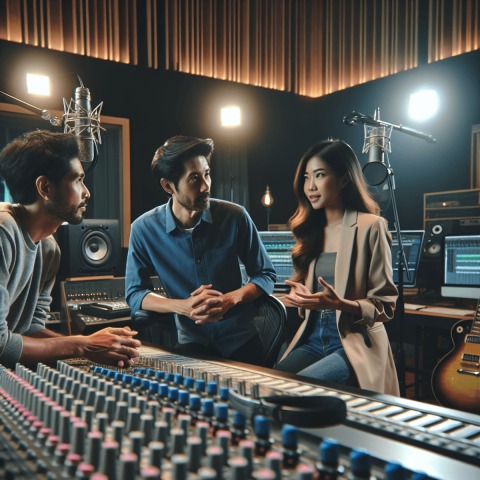


For a long time, “DIY music video ideas” was treated like an apology. It meant low budget, uneven lighting, shaky footage, and a sense that the artist was doing the best they could with what they had. But somewhere along the way, that narrative shifted. Today, some of the most compelling music videos are made with minimal crews, limited gear, and a clear creative vision.
The difference between a DIY video that feels amateur and one that feels professional is not money. It is intention, restraint, and technical understanding. Professional-looking videos are not defined by expensive cameras or massive locations. They are defined by control.
Once you understand that, DIY becomes a creative advantage instead of a limitation.
The One-Location Concept That Carries the Entire Video
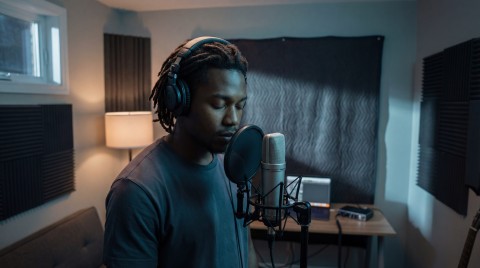
One of the most reliable ways to make a DIY music video look professional is to commit to a single location and fully design the visual language inside it. Professional productions often use multiple locations because they can afford continuity crews, transport, and resets. DIY creators do not have that luxury, but they do have something else: time.
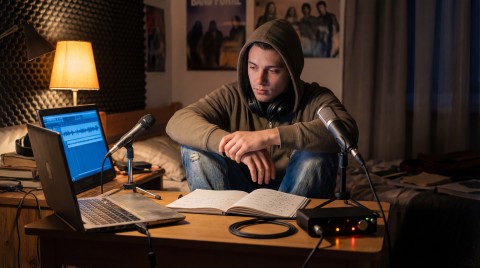
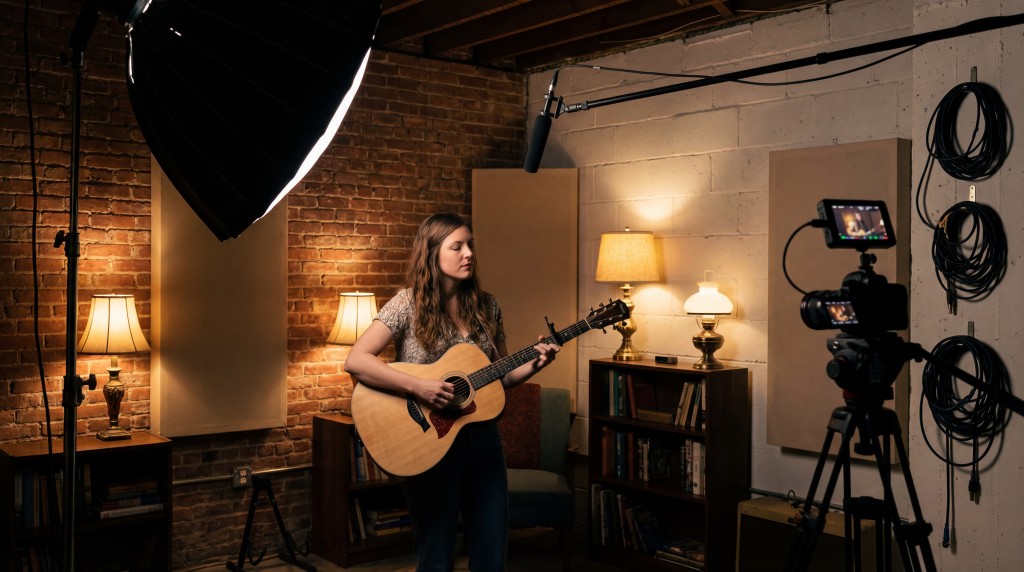
A single location gives you the ability to control light, camera movement, blocking, and performance without constantly resetting variables. A bedroom, a warehouse corner, a stairwell, or a small studio space can all work if the environment is treated intentionally.
What separates a professional-looking single-location video from a static one is movement and progression. The camera does not stay locked in one place for the entire song. It slowly changes perspective. It shifts height. It moves closer as the song becomes more intimate or pulls back as the energy opens up.
Lighting also evolves. Even subtle changes in color temperature or intensity can make the space feel alive over the duration of the track.
If you want a strong technical breakdown of how filmmakers use single locations effectively, StudioBinder has an excellent article on visual storytelling and blocking that can be used as an external reference. You can find it by searching “StudioBinder visual storytelling blocking guide.”
Performance-Driven Videos With Editorial Framing
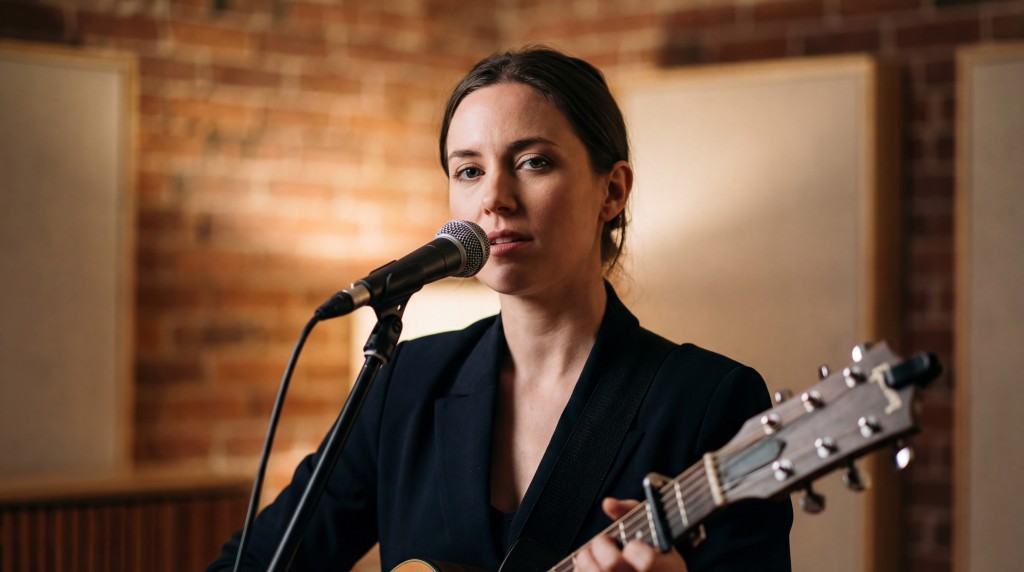
One of the biggest mistakes DIY artists make is trying to hide the performance. They think adding random B-roll or constant cuts will make the video more interesting. In reality, confidence in performance is what elevates a simple concept.
Professional videos often rely on performance more than spectacle. The key difference is framing and camera discipline.
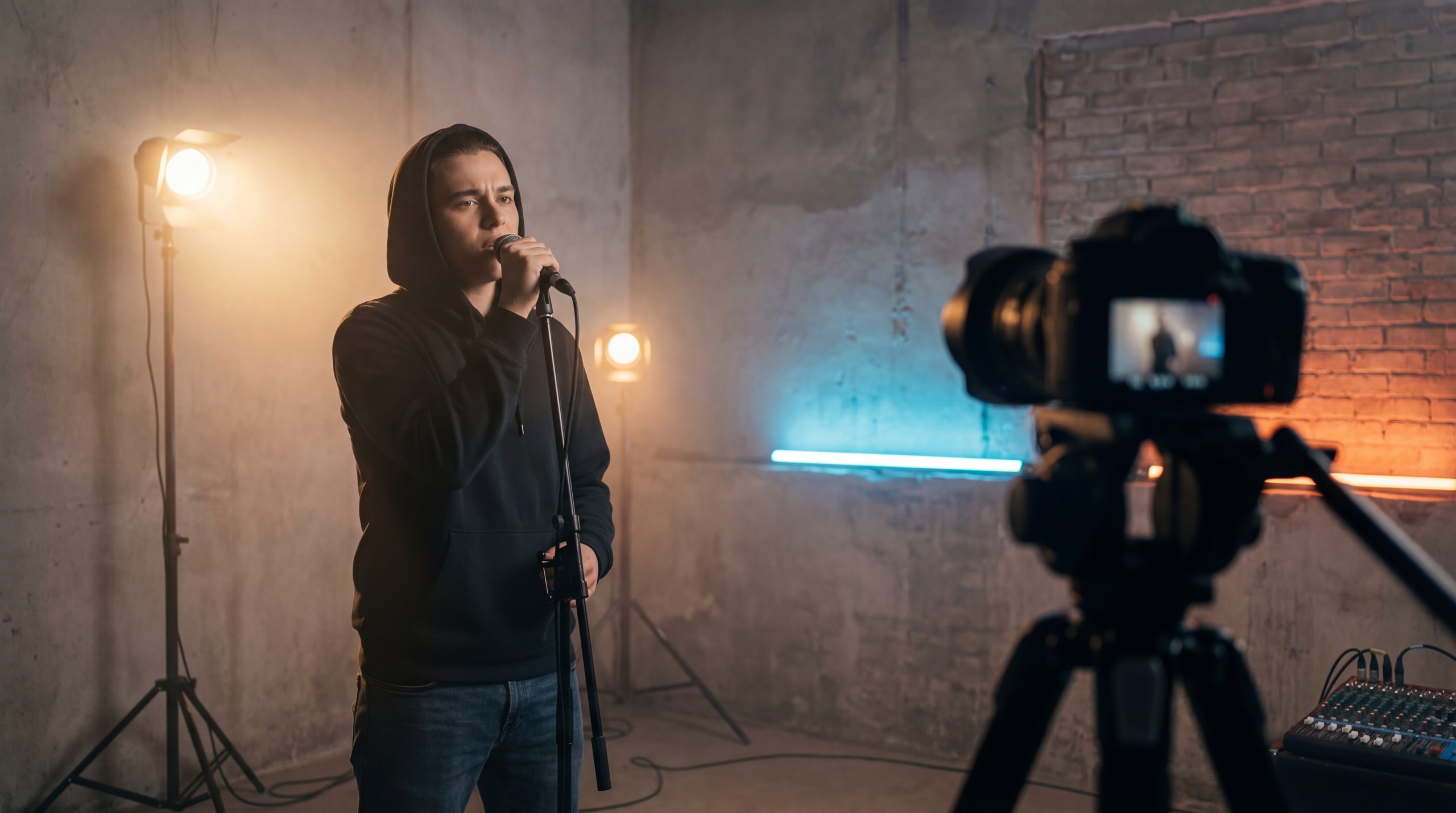
Instead of wide shots that show everything, professional-looking DIY videos rely on medium shots and close-ups. These create intimacy and remove distractions. The camera becomes a listener rather than a spectator.
A locked-off tripod shot can look professional if the composition is intentional. The artist should be positioned using basic framing rules like headroom and leading space. The background should be clean or textured in a way that supports the mood of the song.
Camera movement should be motivated. A slow push-in during an emotional verse feels deliberate. A handheld shot with controlled motion can add realism without chaos.
For technical guidance on framing and camera movement that works even with basic gear, No Film School has multiple educational articles on cinematic framing and performance shooting. Searching “No Film School framing performance music video” will surface solid external sources.
Lighting As the Primary Production Value
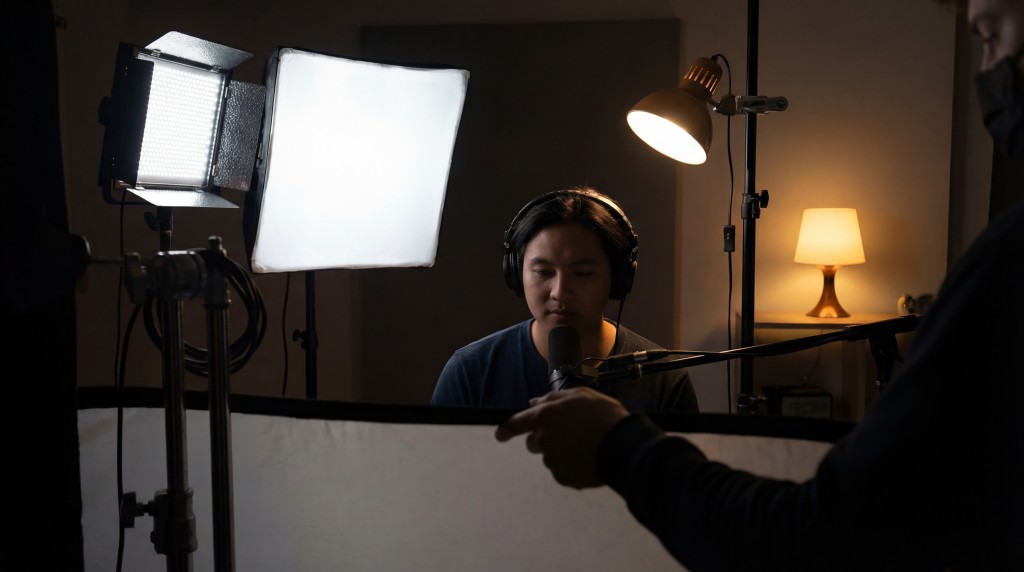
Lighting is the fastest way to make a DIY video feel expensive. Not more lights, but better placement and control.
Many artists rely on overhead room lighting or natural light alone, which creates flat images with no depth. Professional-looking lighting creates separation between the subject and the background.
A basic three-point lighting setup can be simplified into something more realistic for DIY creators. A key light placed at an angle to the face, a softer fill light or reflected bounce, and a back light or rim light to separate the subject from the background.
You do not need expensive fixtures. LED panels, clamp lights with diffusion, or even practical lamps can work. What matters is direction and consistency.
Color also plays a role. Mixing warm and cool light sources creates visual contrast. A warm key light with a cooler background instantly adds depth.
If you want an authoritative external source explaining lighting fundamentals in a practical way, the Sound On Sound website has excellent production articles that cover lighting for video and studio environments. Searching “Sound On Sound video lighting basics” will give you a reliable outbound link.
The Locked-Off Camera With Designed Motion Inside the Frame
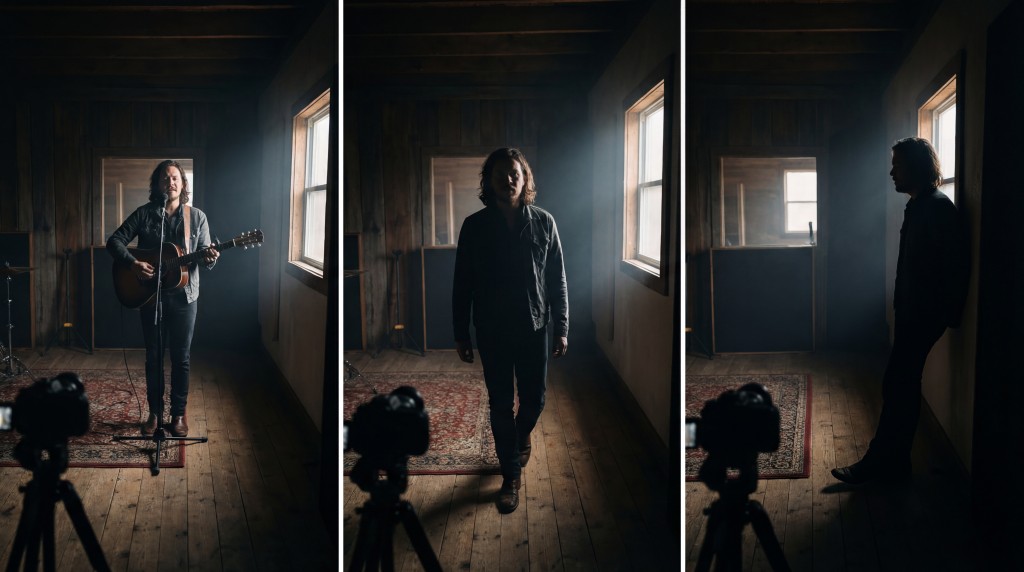
Not every professional video moves the camera constantly. Some of the most effective DIY videos use a locked camera and let motion happen inside the frame.
This approach works especially well for artists who want to keep production simple. The camera stays on a tripod, but the artist moves through the space. They change position. They step closer or further away. They interact with light or shadow.
This technique works best when the frame is composed carefully and the artist understands their physical relationship to the camera. It turns performance into choreography without needing additional equipment.
The result feels intentional rather than static.
Many independent filmmakers use this method to create tension and pacing with minimal gear. The Vimeo Video School blog has strong examples of how locked-off shots can still feel cinematic. Searching “Vimeo Video School locked off camera movement” will give you a solid reference.
Controlled B-Roll That Serves the Song
B-roll is not filler. In professional videos, it is used sparingly and purposefully.
DIY artists often shoot too much random footage and then try to force it into the edit. Professional-looking DIY videos do the opposite. They plan B-roll based on the emotional arc of the song.
Close-ups of hands, textures, environment details, or subtle movements work better than unrelated visuals. The B-roll should feel like it exists in the same emotional world as the performance.
Technically, B-roll should match the main footage in color and exposure. This is where many DIY videos fall apart. Mixing different frame rates, color temperatures, and lighting styles makes the video feel disjointed.
A good external resource for understanding how B-roll supports narrative is PremiumBeat’s filmmaking blog. Searching “PremiumBeat how to shoot b-roll for storytelling” will give you a useful outbound link.
Editing Choices That Signal Professionalism
Editing is where DIY videos either level up or fall apart.
Professional-looking videos prioritize pacing over effects. Clean cuts, intentional timing, and consistency matter more than transitions or filters.
Color correction should be subtle. You want the image to feel cohesive, not stylized to the point of distraction. Exposure, contrast, and white balance should be corrected before creative color grading is applied.
Many DIY artists skip this step entirely, which makes even well-shot footage feel unfinished.
DaVinci Resolve’s official learning resources are an excellent external link for basic color correction workflows. Searching “DaVinci Resolve color correction basics” will provide an authoritative source you can link to.
Concept Over Complexity
The most professional DIY videos are built around one clear idea. Not ten.
A concept that can be explained in one sentence is usually stronger than one that requires explanation. This clarity allows every technical decision to support the same goal.
When the concept is simple, technical execution improves naturally. Lighting choices make sense. Camera angles feel intentional. Editing decisions align with the mood of the song.
Professionalism is not about showing everything you can do. It is about showing restraint.
Why DIY Still Matters
DIY does not mean temporary. It does not mean lesser. In many cases, it is the purest expression of an artist’s visual identity.
When you control the process, you learn how images work. You understand light. You understand pacing. You understand how performance translates on screen. Those skills carry forward regardless of budget.
The goal is not to imitate high-budget productions. The goal is to create something honest that is executed with care.
When that happens, the line between DIY and professional disappears entirely. These DIY music video ideas work because they limit variables while maximizing visual control.