

When people talk about “finding your sound,” they usually say it like it’s a destination. Like one day you wake up, press play, and suddenly everything clicks. Like the music introduces itself to you and says, This is who you are now. That was never my experience. Learning how to find your sound as an artist can feel frustrating when you’re still experimenting, growing, and figuring out who you are creatively.
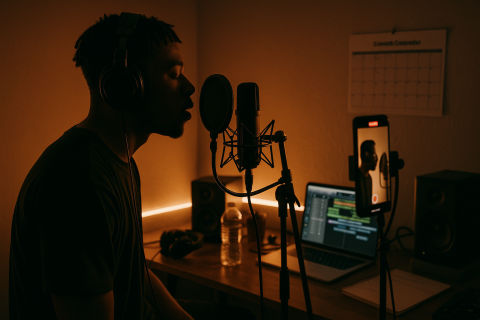
When I was still making music under the name tdubariq, my sound was something I chased quietly and constantly. It lived in late nights, half-finished sessions, burned CDs, and playlists that made no sense to anyone else. It wasn’t something I could explain out loud. It was something I felt when a chord hit the right way or when a beat made my chest feel heavier than usual.
I didn’t know it at the time, but I wasn’t lost. I was absorbing.
I grew up listening to music that felt like it had weight. Neo soul records that sounded like they were recorded in rooms with low ceilings and warm lights. Backpack rap that cared more about words than polish. Songs that didn’t rush to impress you. They waited until you leaned in.
That patience shaped me more than I realized.
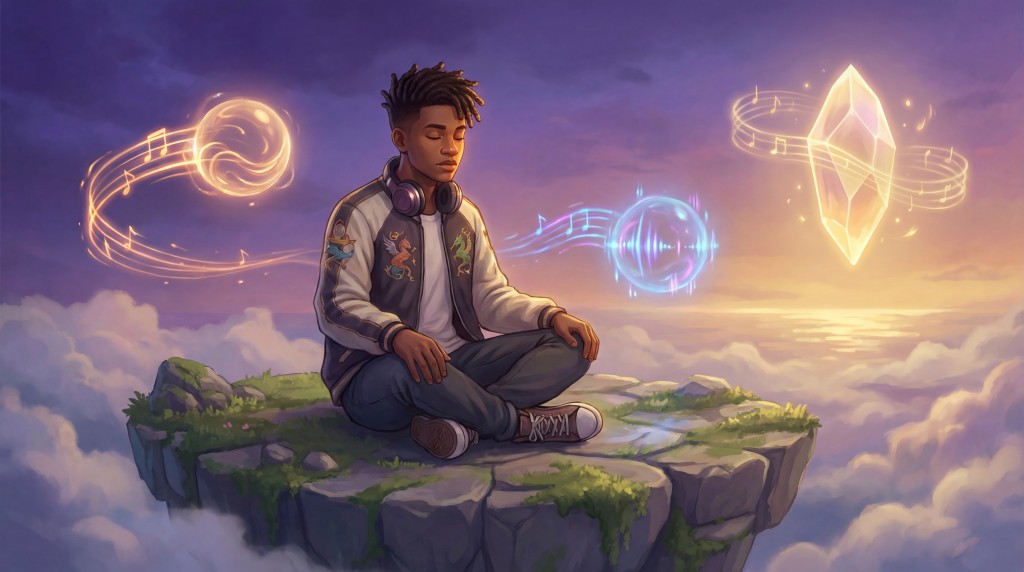
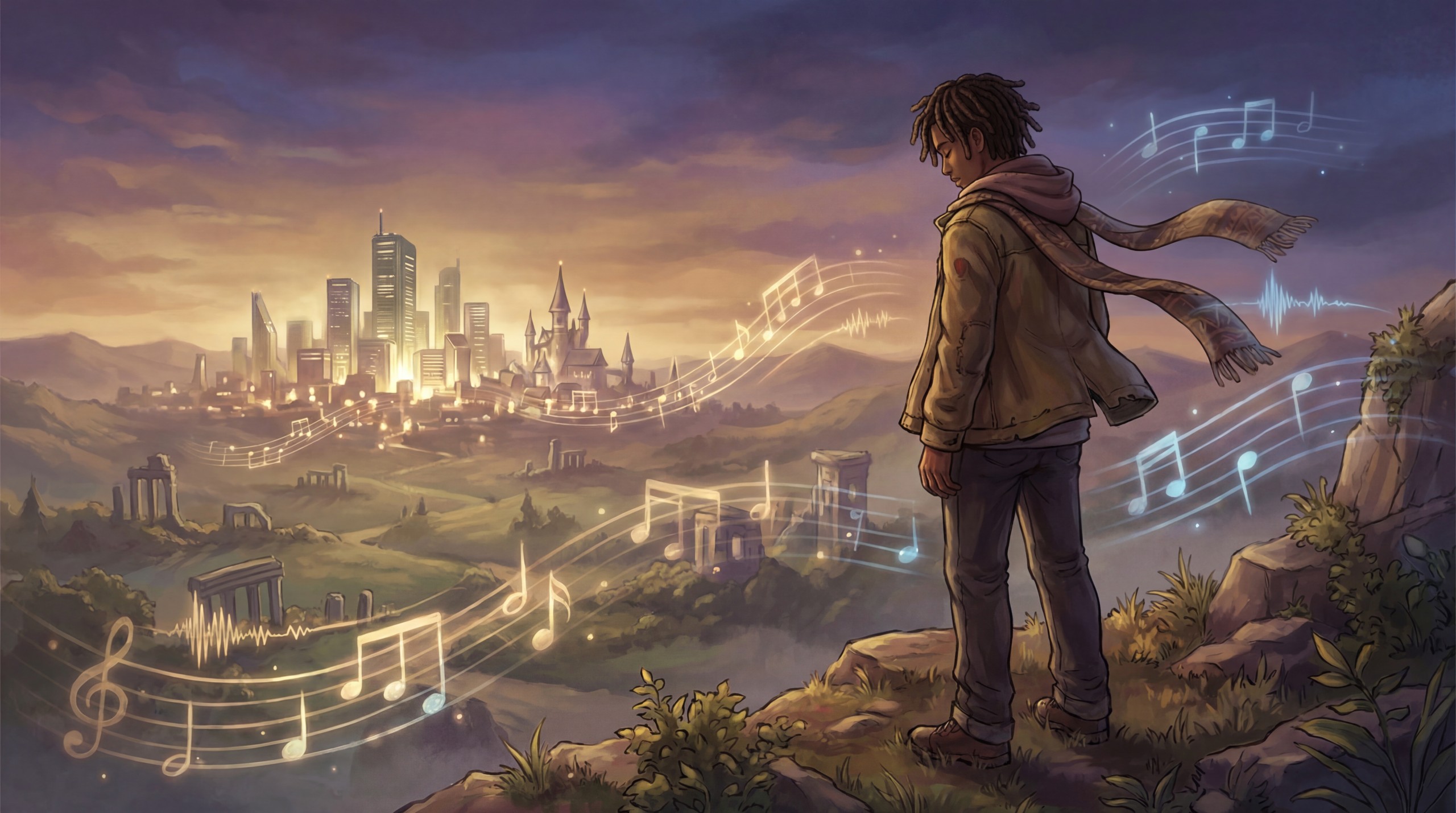
At the same time, I was playing JRPGs for hours, letting soundtracks loop while I wandered through pixelated worlds. Final Fantasy X didn’t just feel cinematic. It felt emotional in a quiet way. The melodies didn’t demand attention. They sat with you. Chrono Trigger felt different. It felt nostalgic even the first time I heard it. Like memory music for a life I hadn’t lived yet.
Those soundtracks didn’t just play in the background. They rewired how I understood atmosphere.
When I started making music, I didn’t consciously say, I want to sound like this or that. I just followed what felt familiar to my nervous system. Melodic pads that drifted instead of punched. Chords that felt unresolved. Drums that gave space instead of crowding every second.
But here’s the part people don’t talk about enough. When you are still finding your sound, everything you make feels wrong in a very specific way.
Not bad. Just incomplete.
I remember listening back to songs and thinking, This is close, but it’s not me yet. The flows were there. The concepts made sense. The production was clean enough. But something wasn’t lining up internally. It felt like I was wearing clothes that fit but didn’t belong to me.
That discomfort is important.
Backpack rap taught me to care about intention. It taught me that bars could be quiet and still cut deep. That vulnerability wasn’t weakness. It was texture. Artists who rapped like they were thinking out loud made me feel seen in a way that radio records never did.
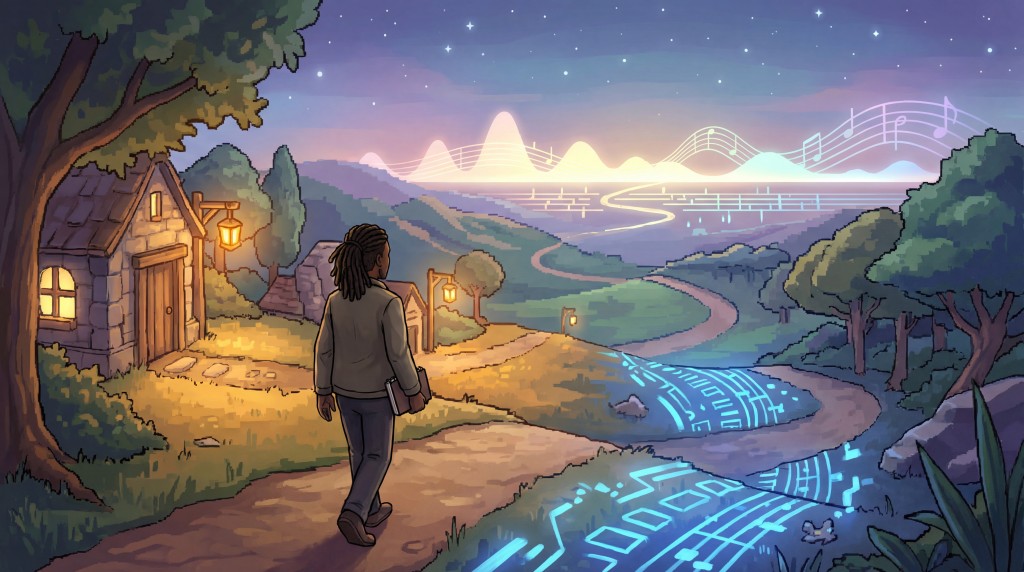
Neo soul taught me restraint. It taught me that space was an instrument. That leaving room between notes could be more powerful than stacking them. That groove didn’t need to announce itself. It could breathe.
The JRPG soundtracks taught me emotional pacing. They showed me that a song could feel like a place. That melodies could carry sadness, hope, tension, and release without words. That repetition wasn’t boring when it was intentional.
The problem was that early on, I tried to separate these influences instead of letting them talk to each other.
I would make a rap song and try to make it sound like rap. Then I would make a melodic track and feel like I was betraying something. I thought finding my sound meant choosing one lane and committing to it fully.
That belief kept me stuck longer than anything else.
When you are young as an artist, you think cohesion means similarity. You think everything has to sound the same to belong together. But cohesion actually comes from perspective. From how you see the world. From how you process emotion.
My perspective was already formed. I just hadn’t trusted it yet.
I wrote like someone who spent too much time inside his own head. I chose beats like someone who cared more about mood than momentum. I structured songs like someone who played games where music underscored memory instead of adrenaline.
I didn’t need to choose between neo soul and backpack rap or melodic pads and hip hop drums. I needed to stop apologizing for liking all of it.
One of the most freeing moments of that era came when I stopped asking, does this sound like what I’m supposed to make, and started asking, does this feel honest to how I experience things.
Honesty has a sound.
It’s not always pretty. Sometimes it’s uneven. Sometimes it feels too slow or too quiet or too reflective. But it has gravity. And gravity is something listeners can feel even if they can’t explain it.
During the tdubariq days, I was obsessed with layering. Not just sonically, but emotionally. I wanted verses that felt like thoughts stacking on top of each other. Hooks that didn’t scream but lingered. Beats that felt like memory fog.
I didn’t realize then that I was already building the foundation of what would later become my real voice. I just thought I was experimenting.
Experimentation is how your subconscious speaks.
Every influence you love leaves fingerprints. Not in obvious ways, but in how you choose sounds, how you leave silence, how long you let a note ring. You don’t need to name those influences for them to be present. You just need to stop fighting them. Learning how to find your sound as an artist isn’t about choosing a style once—it’s about allowing your creative instincts to evolve over time.
Looking back, the biggest mistake I almost made was trying to rush clarity.
I wanted to arrive. I wanted to feel finished. I wanted to be able to explain myself cleanly. But sound is not a thesis statement. It’s a journal. It evolves as you do.
The more I tried to force an identity, the more disconnected the music felt. The more I let myself wander, the closer I got.
Finding your sound is less about discovery and more about permission.
Permission to sound like your playlist. Permission to blend eras. Permission to let game soundtracks sit next to soul records and underground rap without justification. Permission to make music that feels like how your mind moves instead of how trends shift.
As tdubariq, I didn’t have the confidence I have now. I second-guessed everything. I compared constantly. I wondered if my taste was too niche or too quiet or too emotional. But that insecurity didn’t disappear when I stopped using the name. It transformed because I learned how to listen to it.
Insecurity often points toward truth before confidence catches up.
The songs that felt the most uncomfortable to release were usually the ones closest to my actual sound. They were the ones where I wasn’t hiding behind influence. Where the melody felt personal. Where the beat felt like something I would sit with alone.
That’s another thing nobody tells you. Your sound is often what you play when no one is around.
Not what you show first. Not what you post immediately. But what you loop for yourself. What you listen to while staring at nothing. What you make when you are not trying to prove anything. Finding your sound in music is often less about genre and more about the creative decisions you repeat without thinking.
For me, that was slow builds. Emotional pads. Drum patterns that felt patient. Lyrics that didn’t resolve cleanly. Music that felt like transition instead of arrival.
Final Fantasy X didn’t rush its emotions. Chrono Trigger didn’t overexplain its nostalgia. Neo soul trusted the listener. Backpack rap trusted intelligence over spectacle.

Those philosophies shaped me more than genre ever could.
If I could talk to my younger self, to tdubariq sitting in a dim room replaying drafts and wondering why nothing felt finished, I would tell him this.
You are not late. You are not unfocused. You are collecting pieces of yourself in sound.
Many musicians struggle with finding their sound because they assume it should arrive fully formed instead of evolving through practice.
Your job is not to sound like anyone else. Your job is to sound like someone who has lived inside your influences long enough to let them dissolve into instinct.
When your sound finally starts to feel like home, it will not be because you chose it. It will be because you stopped resisting it.
And when that happens, you won’t need to announce it. The music will carry the truth quietly. Like a melody you recognize before you remember where you first heard it.