


Introduction
Recording rap vocals is both an art and a science. As an independent artist who’s spent late nights rapping into budget mics and bright afternoons in pro studios, Finding the best microphone for rap vocals can completely change how independent artists sound, record, and grow in 2026.
I’ve learned that choosing the right microphone can transform your sound. In rap and hip-hop, clarity and presence are king – your mic needs to capture every rapid-fire lyric and nuanced inflection while minimizing noise and muddiness. The great news is you don’t need a major label budget to get a great rap vocal mic. This 2026 guide will break down the best microphones for rap vocals at three budget tiers – whether you’re just starting out in a bedroom closet or laying tracks in a professional studio, there’s a mic here for you. We’ll cover what makes each mic special, key specs (like type and pickup pattern), unique benefits for rap vocal recording, and honest pros and cons. By the end, you’ll have a solid understanding of which microphone suits your needs and budget. Many independent artists search for the best microphone for rap vocals when upgrading from a beginner setup to something more reliable.
Let’s get your vocals sounding crisp, powerful, and radio-ready!
Budget Microphones for Rap Vocals
You might be on a tight budget, but that doesn’t mean you can’t achieve quality rap vocal recordings. Budget mics (roughly under $200) have come a long way – many offer impressive sound for the price. The key is to pick a mic that flatters your voice and handles your recording environment. For beginners recording at home (often in less-than-perfect acoustic spaces), you’ll want a mic that captures clear vocals without too much background noise. Below are some top budget-friendly picks loved by rappers and engineers alike, plus their specs and pros/cons.
Shure SM58 – Legendary $100 Workhorse
Shure SM58 – The SM58 is the world’s most popular vocal mic, and with good reason. This dynamic, cardioid microphone has been an industry standard since 1966. It was originally designed for live performance, but its warm tone and durability make it a staple in studios as well. If you’re an indie rapper recording in a bedroom or garage, the SM58 can be a lifesaver – dynamic mics like this are less sensitive to room noise than condensers, so you’ll pick up more of your voice and less echo or background hiss. The SM58 has an internal pop filter (the familiar ball grille) to tame plosives and an internal shock mount that helps reduce handling noise. It’s tuned with a slight midrange boost that helps vocals cut through a mix, which can be great for making rap vocals present and clear.
Specifications: Dynamic moving-coil microphone; cardioid polar pattern; frequency response ~50 Hz – 15 kHz; XLR output (no phantom power needed). It’s built like a tank, with a die-cast metal body.
Unique Benefits: Incredibly rugged and reliable – you can literally drop it or toss it in a backpack without worry. It’s known to be “virtually indestructible”, which is why almost every live gig and studio has a few on hand. The cardioid pattern focuses on your voice and rejects sounds from the sides/back, helpful if you don’t have a perfect vocal booth. Also, it’s versatile: you can use an SM58 for rap vocals, then take it on stage for a show, or even mic instruments with it.
Pros:
- Durability: Built to withstand heavy use; a long-term investment for ~$100.
- Forgiving in untreated rooms: Dynamic element and cardioid pickup reject a lot of background noise and room reverb.
- Warm, crisp vocal tone: Tailored frequency response with a brightened midrange gives vocals a warm yet clear presence.
- Multi-purpose: Great for vocals (rap, singing) and capable on instruments; a true all-rounder for a home studio.
Cons:
- Less high-end detail: The SM58’s frequency range tops at ~15 kHz, so it won’t capture the airy “sheen” that a condenser mic might. You may need to add a bit of EQ to get super crisp highs.
- Proximity effect: Like many cardioid dynamics, getting very close boosts the bass in your voice (which can be an asset for a deeper “radio” tone, but could also muddy up vocals if not careful).
- Output level: Dynamics have lower sensitivity, meaning you might need to crank your preamp gain. Most audio interfaces can handle an SM58 fine, but very quiet rappers might find they need a boost.
Overall, the Shure SM58 offers legendary vocal clarity and reliability on a shoestring budget – truly a mic that “has your back night after night” whether in the studio or on stage. For beginner rappers or those needing a durable mic to toss in a gig bag, it’s a top choice.
Audio-Technica AT2020 – Insane Value Condenser
Audio-Technica AT2020 – The AT2020 is a large diaphragm condenser mic that has achieved almost cult status among budget-conscious musicians. Why? Because for around $100, you get a studio-quality condenser that sounds clear and natural on vocals. In fact, MusicRadar’s experts chose the AT2020 as the “best overall” cheap studio mic, noting its “ridiculous value for money” and excellent sound on vocals. This mic offers a neutral frequency response with a slight lift in the upper frequencies to add “air” without harshness. It captures details in your rap vocals that dynamic mics might miss – the subtle breaths, the crisp consonants – which can make your recordings sound more polished.
Specifications: Condenser microphone with 16mm diaphragm; fixed cardioid pattern; 20 Hz – 20 kHz frequency response; requires 48V phantom power; XLR output. No switches or pads – it’s a simple, solid design. Notably, it handles high SPL (sound pressure) up to 144 dB, so it won’t distort even if you’re yelling some hype ad-libs.
Unique Benefits: The AT2020 delivers an “open and natural tone” with impressive low-mid warmth and a subtle high-end lift, uncommon at this price. This means your rap vocals can sound full-bodied but still cut through with clarity. It also has great off-axis rejection for a condenser – it rejects sound from the sides quite well. That’s useful if your recording space has some background noise; the AT2020 will focus mostly on what’s in front (you). The build quality is rugged metal, so it doesn’t feel like a cheap mic.
Pros:
- Outstanding price/performance: Often called the “price/performance standard” for home studio condensers. You get quality audio on par with mics costing much more.
- Balanced sound: Plenty of warmth in the body of the vocals and a touch of sparkle on top, without exaggerating sibilance. Great for rap, which needs clarity but can’t afford harshness.
- Versatile use: Also shines on instruments (acoustic guitar, piano, etc.), so it’s a good multipurpose studio mic. Many rappers also record sung hooks or melodic vocals – the AT2020 can handle those nicely.
- Solid build: All-metal construction; it’s a mic that will last.
Cons:
- No accessories included: Out of the box you get just the mic (and a basic stand mount). No shock mount, no pop filter. You’ll likely want to buy a pop filter to catch plosives and maybe an inexpensive shock mount later.
- Self-noise and preamp: As a condenser, it has higher self-noise than some pricier mics. It’s not loud by any means, but it’s “not the quietest mic around”. In practice, this is minor, but with super delicate mixing you might hear a faint hiss floor. Also requires an interface with phantom power.
- Needs a treated space: Unlike the SM58, the AT2020 will pick up more room reverb and background noise (because it’s more sensitive). If you have hard surfaces and no acoustic treatment, you might capture some “roominess.” However, using a reflection filter or recording in a closet/booth can mitigate this.
For rappers starting out, the AT2020 offers a chance to get that studio condenser sound on a budget. It’s been praised for delivering “open, natural tone… really quite impressive” at its price point. Many hip-hop artists have used an AT2020 as their first serious mic and kept it even as they upgraded – it’s that reliable.
Rode NT1 (5th Gen) – Ultra-Low Noise Studio Staple
Rode NT1 5th Generation – The Rode NT1 is a modern classic for studio vocals, often recommended to aspiring artists who want a step up in quality while still under the $250 range. The NT1-A (an earlier variant) has been an “entry-level condenser microphone for well over 30 years now” and a go-to for good-quality vocals on a budget. The latest NT1 5th Gen keeps what made the NT1-A famous – warm, detailed sound and exceptionally low self-noise – and adds some 2026 perks, like a dual USB/XLR output for flexible use.
Specifications: Large diaphragm condenser (1” capsule); cardioid pattern; frequency range 20 Hz – 20 kHz; self-noise: an astonishingly low ~4 dBA on the newest model (Rode markets it as one of the quietest mics in the world). Max SPL ~142 dB. The NT1 5th Gen can connect via standard XLR or directly via USB-C, which means if you don’t have an interface yet, you can plug it into a computer and get 32-bit float recording (a neat feature for streamers or quick demos).
Unique Benefits: The standout feature is pristine sound with almost no self-noise – your recordings will be very clean. That means when you compress your rap vocals (as we often do in mixing), you won’t be amplifying a bunch of microphone hiss. The NT1’s tone is often described as neutral and smooth. It’s not overly bright like the old NT1-A; the new NT1 has a flatter high-end, which actually helps rap vocals by avoiding harsh sibilance. Yet it’s still detailed: it captures the nuances of your voice, from aggressive shouts to whispery introspective lines, with equal ease. Also, Rode includes a high-quality shock mount and pop filter in the package (for the XLR kit versions), so you’re ready to record out-of-the-box without needing extra accessories.
Pros:
- Extremely low noise floor: This mic’s self-noise is around 4–5 dB-A, which is practically inaudible. You can record delicate breaths or fades with no microphone hiss – a big plus for professional sounding vocals.
- Detailed yet forgiving sound: The NT1 delivers “incredibly detailed and warm” vocals, capturing every nuance from powerful belts to breathy phrases. Unlike some condensers, it’s not hyped in the highs, so you get a natural sound that’s easy to EQ if needed.
- High SPL handling: You can yell or do animated ad-libs without worrying about mic distortion (144 dB SPL handling is about as loud as a jet engine). Great for energetic rap styles.
- Build and bundle: Sturdy metal body, internal shock mounting for the capsule, and included external shock mount + pop filter mean fewer plosive issues and no rumble from desk or stand bumps. It’s a complete package for home recording.
- USB option (5th Gen): Being able to plug directly into a computer in a pinch is convenient for quick recordings or if you’re traveling without an interface. (Though for best quality/control, you’ll likely use XLR into your interface or preamp in studio.)
Cons:
- Slightly above “cheap” range: It’s more expensive than the AT2020 or SM58. If ~$250 is out of reach, you might consider the older Rode NT1-A which is often a bit cheaper (and brighter sounding).
- No onboard controls: The NT1 has no switches (no high-pass filter, no pad). It keeps the signal path pure, which is good, but any filtering has to be done in your interface or DAW.
- Revealing of environment: As a sensitive condenser, the NT1 will honestly reproduce your environment. If your room is untreated, you might notice more room tone compared to using a dynamic like the SM58 or SM7B. Proper placement and some acoustic treatment (even DIY blankets) are recommended to get the best out of it.
In summary, the Rode NT1 is a fantastic investment for serious vocal recording at a budget-friendly price. It’s often the mic rappers upgrade to when they’ve outgrown entry-level gear. You get a taste of that high-end studio quality – in fact, many engineers have NT1s in their lockers next to Neumanns because they’re just so reliable. As one reviewer put it, “for vocals it delivers a neutral sound… incredibly detailed and warm, capturing every nuance”. If you’re aiming for professional-sounding rap vocals from a home setup, the NT1 belongs on your shortlist.
Honorable Mention (Budget): Shure MV7 – If you absolutely need a USB mic for simplicity, the Shure MV7 (inspired by the SM7B) offers both USB and XLR. It’s a dynamic mic tuned for vocals and great for podcasters/streamers who also rap. However, purely in terms of vocal recording quality, the XLR mics above will edge it out. Still, for those without an interface, it can be a convenient all-in-one option. Just remember you can grow into an interface pretty easily, which opens the door to all these great XLR mics.
At a certain point, choosing the best microphone for rap vocals becomes less about price and more about how consistently it captures your voice.
Mid-tier Microphones for Rap Vocals
Moving up in budget (~$300–$800) opens up a world of microphones that can elevate the clarity, depth, and character of your rap vocals. In this range, you’ll find mics that are used on professional recordings but still accessible to independent artists. These mics often have more refined sound signatures, better components (for lower noise and distortion), and features like switchable polar patterns or built-in EQ options. If you’ve been recording for a while and are ready to invest in your craft, a mid-tier mic can be a game changer. Many classic hip-hop vocal chains feature at least one of the mics in this category. Let’s look at a few standouts.
Shure SM7B – Studio Favorite for Rap Vocals
Shure SM7B – This is the mic that’s on everyone’s lips (quite literally, given how close you work it). The Shure SM7B is a dynamic cardioid mic, historically famous for broadcasting and rock vocals, but in recent years it has become the go-to mic for rap and hip-hop artists who record in less-than-ideal rooms or who love its smooth tone. In fact, the SM7B “has endeared itself to a diverse talent pool that includes rap artists, metal vocalists, and radio announcers,” and was even famously used on Michael Jackson’s Thriller album. If you’ve watched any studio vlog or podcast, you’ve probably seen the SM7B – it’s the black mic with the foam windscreen that just oozes professionalism.
Specifications: Dynamic moving-coil microphone; cardioid pattern; 50 Hz – 20 kHz frequency response (with switches for bass rolloff and midrange presence boost); XLR output. It’s a low-output mic, meaning it typically needs a high-gain preamp (or an inline booster like a Cloudlifter) to get levels up. Physically, it comes with a yoke mount to attach to stands easily, and a large foam windscreen.
Unique Benefits: The SM7B is beloved for its smooth, warm sound on vocals. It has a knack for taming harshness – sibilant voices or aggressive rappers come through sounding full and clear, never tinny. Because it’s dynamic, it naturally rejects background noise and room reflections; it “blocks out all the distractions” and focuses on the voice. This is perfect if you don’t have a pro vocal booth – the SM7B can give you that intimate, radio-ready dry vocal. It also has built-in EQ controls: a bass rolloff to reduce proximity boominess, and a presence boost to add clarity, each with a switch on the back. These let you tailor the mic a bit to your voice (some rappers engage the presence boost to cut through a dense beat, for example). The internal “air suspension” shock mount and pop filter are excellent – it basically has a suspension system and pop screen built inside, reducing mechanical noise and plosives.
Pros:
- Signature rap vocal sound: The SM7B is often described as giving vocals a polished, radio-friendly tone right off the bat. It’s “smooth, flat, wide-range” in response, meaning it captures detail without hype. Rappers with loud or gritty styles love how it rounds off harsh edges.
- Great rejection and noise control: You can record in a noisy apartment or echoey room and pick up far less of the bad stuff. The classic cardioid pattern and Shure’s design provide “maximum rejection” of off-axis sound. This is huge if you can’t afford extensive acoustic treatment.
- Built tough: Shure mics are known for build quality. The SM7B is no exception – solid metal housing, and it even has shielding against electromagnetic hum (so computer monitors or lights don’t introduce hum). It’s a mic that will last decades.
- Adjustable tone: The back switches give you flexibility. Need more clarity? Flip the presence boost on for a brighter sound. Getting too much bass when up close? The low-cut filter will fix that. This essentially means the SM7B can suit a variety of voices once you dial it in.
- Pro pedigree: Used on countless recordings. Notably, many hip-hop engineers pair the SM7B with a good preamp and get results that rival condensers. It’s also widely used in radio – that familiarity can add a sense of intimacy/trust in the vocal sound.
Cons:
- Requires strong preamp/gain: The biggest complaint is that the SM7B has low sensitivity, so you need a clean preamp with about 60 dB of gain. Entry-level interfaces might struggle, causing you to push the gain to max (and potentially add noise). Many users get an inline preamp (Cloudlifter, FetHead, or Shure’s new preamp-equipped model called SM7dB) to boost the signal. This is an extra expense to consider.
- Less “airy” high end: Being flat-response and dynamic, the SM7B doesn’t capture super sparkly highs. In a dense mix, you might need to EQ a bit of 10 kHz sheen if you want that airy whisper on top. That said, it’s intentional – the lack of extreme highs often helps keep rap vocals punchy and not piercing.
- Up-close technique needed: The SM7B really shines when you’re right on it (that’s how it gets that intimate sound). This means you have to train your mic technique – moving off too far and the tone can thin out quickly. It also encourages a very “close” sound which some artists might need to get used to if coming from condensers.
- Price for a dynamic: It runs around $399 (and around $500 if you also get a Cloudlifter). At that price, there are condenser options with more sensitivity. So you’re investing specifically in the SM7B’s sound and noise-rejection strengths.
Despite a couple of caveats, the Shure SM7B remains a top recommendation for rap vocals, especially for artists who record at home. It’s one of those mics that consistently makes vocalists sound good. To quote Shure’s own marketing (which in this case isn’t exaggeration): “From rap to rock, this powerful microphone delivers smooth, warm vocals every time… It looks like a legend because it is one.”. If you’ve heard artists mention using a “big black Shure mic” on their mixtape vocals – that’s the SM7B at work.
AKG C214 – Modern Condenser with Classic Pedigree
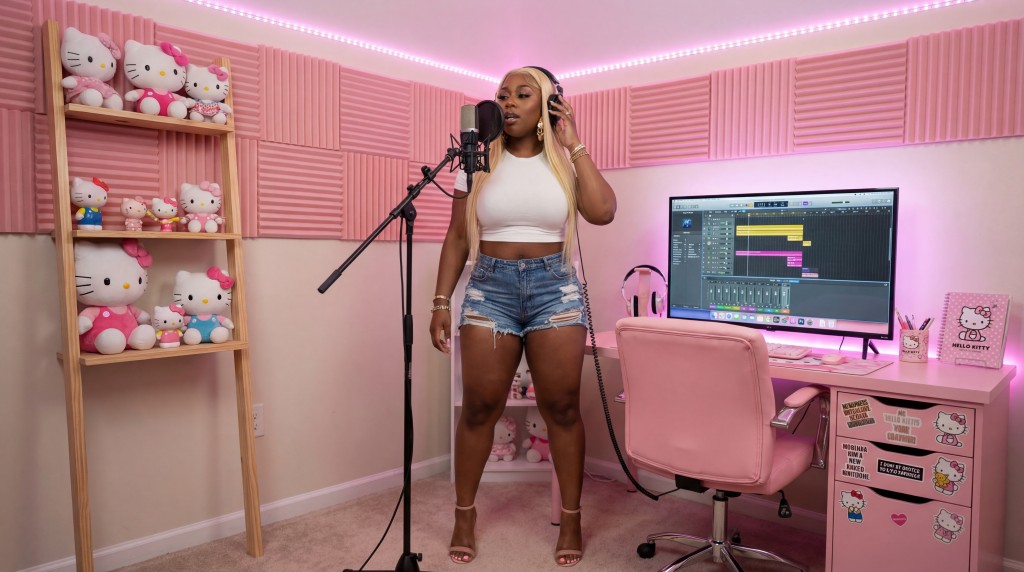
AKG C214 – The AKG C214 is a large-diaphragm condenser derived from the legendary AKG C414 (a mic that’s been used on countless hit records). Think of the C214 as the little brother of the C414, with a fixed cardioid pattern and a more accessible price. For mid-tier budgets, the C214 offers a taste of that high-end AKG sound: detailed, bright, and flattering on vocals. It’s a great choice if your rap vocals could benefit from a bit more top-end clarity or if you occasionally sing choruses as well.
Specifications: Condenser mic with 1″ capsule; cardioid polar pattern; frequency response 20 Hz – 20 kHz; switchable -20 dB pad and switchable 160 Hz low-cut filter; max SPL 156 dB (with pad); requires 48V phantom. It comes with a shock mount and a metal carrying case which is a nice bonus.
Unique Benefits: The C214 captures the “sonic character of the C414 XLII”, meaning it’s tuned for beautifully detailed lead vocals. It has a forward, airy high end that can make rap vocals sound crisp and present. If you have a more relaxed or deep voice that needs a bit of shine on top, the C214 will provide that. It’s also excellent at handling loud sources – up to 156 dB SPL with the pad – so screaming hype tracks or stacked shouts are no problem. The bass-cut filter can help reduce rumble or the proximity effect if you’re very close. AKG also built an integrated suspension for the capsule to reduce mechanical noise and vibration, so it has some inbuilt noise rejection features.
Pros:
- Detailed, bright sound: The C214 has a clear high-frequency response that gives vocals a “sheen”. It adds a “beautifully detailed” quality to lead vocals, helping them cut through mixes. This is great for articulating fast rap verses – every syllable comes out crisp.
- High SPL and pad: You can record aggressive vocals without mic distortion. If you have a very loud delivery, engage the -20 dB pad and the mic will handle it gracefully. Versatile for other uses too (want to mic a loud guitar cab or drum? It can do that).
- Rugged and reliable: Built tough (metal body) and comes with a rugged aluminum carrying case. Also, AKG’s manufacturing is high quality, so you get consistency. It’s a mic that can be a workhorse in your studio.
- Features at this price: The inclusion of a pad and bass-cut filter is somewhat rare in mics under $500. It gives you more control to shape the sound at the source. For example, if your vocals sound boomy, flip the bass-cut on to reduce proximity effect – very handy.
- Inspired by a classic: It’s comforting to know the C214 shares DNA with the C414, a mic used by famous producers and studios. The C214 specifically tries to emulate the 414’s brightness (the XLII version) for vocals, and largely succeeds, at a fraction of the cost.
Cons:
- Bright tone not for everyone: If you have a naturally bright or nasal voice, the C214 might emphasize that brightness. On some voices it could verge into sibilant territory (though it’s not as harsh as some cheaper condensers). Proper mic placement (angle it slightly off-axis to your mouth) and using the low-cut can mitigate this.
- Requires a treated space: As a sensitive condenser, it will pick up room acoustics and background noise. The detailed high end will also capture things like computer fan noise or echoes if present. To get the best from the C214, a moderately treated environment or reflection filter is recommended.
- Less character than some dynamics: While very clear, some might find it less “forgiving” than an SM7B on rough voices. It gives you an accurate picture – which is generally good – but if you want a mic that automatically smooths you out, a dynamic might do that more. The C214 is more about hi-fi sound.
- Competition: In this price range, it competes with mics like the Audio-Technica AT4050 or Neumann TLM 102. Depending on your taste, those are alternatives to consider (AT4050 is multi-pattern and very neutral; TLM102 is warm and clear). The C214 sits in the middle with a bit of brightness and modern edge.
Overall, the AKG C214 is a stellar choice for rappers who want to add a polished, high-fidelity shine to their vocals. It’s capable of capturing the speed and transients of your delivery with precision. Many hip-hop producers use C214s (or C414s) for vocals, especially when a track calls for that upfront, bright vocal sound that cuts over heavy 808s. With its robust build and feature set, the C214 can be a mic you grow with – working for your current home setup and still being useful if you later upgrade to a bigger studio.
Neumann TLM 102 – Pro Quality in a Compact Form
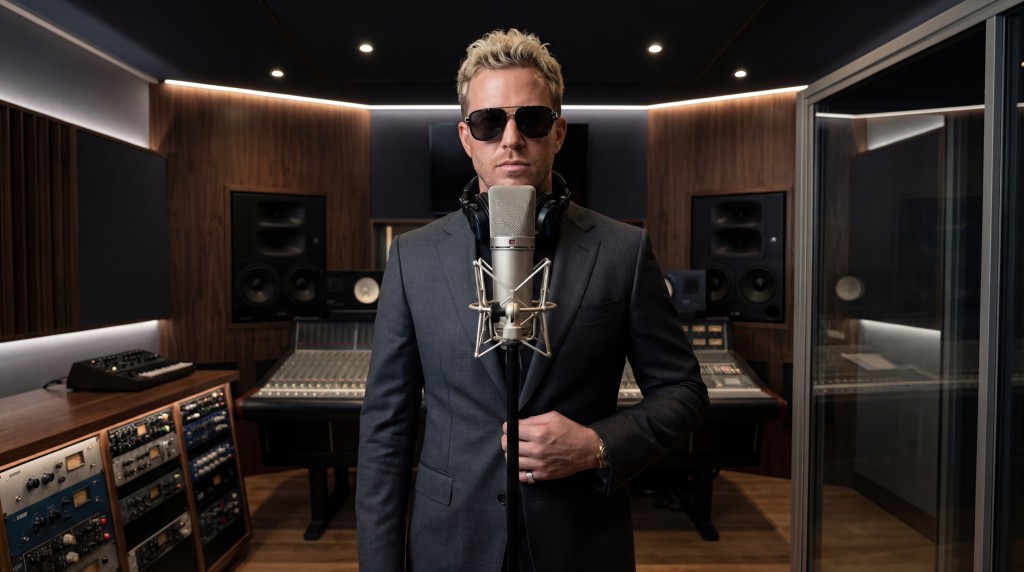
Neumann TLM 102 – It’s not every day you see the Neumann name in a mid-tier list. Neumann microphones are legendary in studios (the U87, for instance, is a holy grail). The TLM 102 is Neumann’s “affordable” large-diaphragm condenser aimed at project studios. It still isn’t cheap (around $700), but it delivers true Neumann quality and tone, making it a bridge between mid-tier and high-end. For committed home studio rappers looking to step into the big leagues of sound, the TLM 102 is extremely tempting – MusicRadar even called it “the perfect mic for the committed home studio owner upgrading to pro-level equipment.”
Specifications: Condenser mic with a 34mm capsule; cardioid pattern; 20 Hz – 20 kHz response; max SPL 144 dB; no pads or filters on the mic. It’s a small microphone (surprisingly compact) but solidly built in metal. Self-noise is very low (about 12 dBA). It usually comes with just a basic stand mount; shock mount is optional.
Unique Benefits: The TLM 102 is all about clarity and balance. Neumann tuned it to have a slight presence boost around 6 kHz and up, which gives vocals a clean “studio shine.” At the same time, its low and mid frequency reproduction is very full – it captures the body of a voice excellently. The result is rap vocals that sound crisp yet weighty, sitting nicely in a mix without much EQ. The TLM 102 is also great for artists who both rap and sing. Its clarity will bring out fast rap diction, and its warmth and dynamics will flatter singing or melodic flows. Plus, Neumann mics have a certain prestige – using one can be inspiring and signal that you’re serious about your craft.
Pros:
- Neumann sound on a budget: It brings that expensive sound associated with Neumann. Many describe the TLM 102’s tone with one word: “clarity.” It captures detail in vocals “beautifully articulated” across the spectrum. Highs are silky, mids are present, lows are tight.
- High SPL, versatile: Can handle loud vocals (144 dB SPL) without distortion, so screaming isn’t an issue. It’s versatile for instruments too. Users often find it a great all-around studio mic (vocals, drums, guitars) – good if you do your own production.
- Built to last: Small yet robust. Neumann’s manufacturing quality means consistency and longevity. The ones in studios “have taken a beating over the years, but still work perfectly”. It’s an investment that will serve you well into the future.
- “Forgiving” for a condenser: While detailed, it’s tuned in a way that isn’t overly harsh. The TLM 102 has a slight dip around the sibilance region and then a boost higher up, so you get brightness without harsh “S” sounds. Many engineers find they rarely need heavy de-essing with this mic.
- Size and ease of placement: It’s surprisingly compact, making it easy to position or fit into tight home recording spaces. Good for desktop studio setups or portable vocal booths.
Cons:
- Pricey side of mid-tier: It might be over budget for some “mid-level” buyers. You are paying partly for the Neumann badge. If $699 is steep, the TLM 102 may be a stretch compared to, say, a $399 SM7B or $499 AT4050. (However, it’s less expensive than the bigger Neumanns like TLM 103 or U87 by a lot.)
- No included shock mount/pop filter: Considering the price, it’s a bit of a letdown that you often have to buy the Neumann shock mount separately. The basic mount works, but you’ll likely want a shock mount and definitely a pop filter (the TLM102’s grille isn’t as plosive-resistant as an SM7B’s foam). As one review pointed out, “it doesn’t come with any additional accessories… I often opt for using an external pop shield”.
- Reveals performance flaws: The flip side of clarity is that if your timing or enunciation is sloppy, the mic will reveal it. You have to be on your A-game; there’s less “masking” than with a dynamic. This isn’t really a con – it helps you improve – but it’s worth noting that a very clear mic will put your vocals under a microscope.
- Less colored or “vibey”: The TLM 102 aims for a balanced sound. If you’re looking for a mic with a distinct coloration or vintage vibe (like a tube warmth or a gritty edge), this mic is more neutral. Some artists actually prefer a bit of coloration which they might get from other mics or preamps.
Using the Neumann TLM 102 is often an eye-opening experience for first-timers: you suddenly hear your voice in ultra-focus, as if you were in a top-tier studio. It’s “a proper, grown-up microphone for producers with enough experience to know what ‘good’ sounds like.” If you’ve developed your skills and are chasing that professional sound, the TLM 102 can deliver it. It’s one of the mics in this list that could easily belong in the next section (pro mics) if not for its relatively accessible price.
Honorable Mentions (Mid-tier): A few other mics deserve a shout: Audio-Technica AT4050, a multi-pattern condenser (~$699) known for its transparent sound – very handy if you record vocals and instruments; Aston Spirit, a British-made condenser (~$450) with a crisp, modern sound and selectable patterns, favored by some hip-hop producers for its unique character; and Lewitt LCT 440/540, offering very low self-noise and a balanced tone in the mid-$300s range. Each of these has its fans in the rap community. But by and large, the mics listed above (SM7B, C214, TLM102, etc.) cover a wide range of needs and tonal flavors.
Professional Microphones for Rap Vocals
Now we’re entering the big leagues. Pro microphones (roughly $800 and up) are found in top studios and on major label recordings. These mics boast the highest build quality, finest tuned sound, and often, a storied legacy. As an independent artist, investing in a high-end mic is a serious decision – but it can be worthwhile if you’re aiming for commercial-level sound or if you have a dedicated studio setup. Even if you can’t justify buying one yet, it’s good to know about them (you might rent one for a special project, or encounter them in a pro studio session). This section mixes practical options with a couple of iconic “holy grail” mics for rap. Let’s dive into the microphones that deliver the ultimate rap vocal sound.
Neumann TLM 103 – Modern Studio Standard
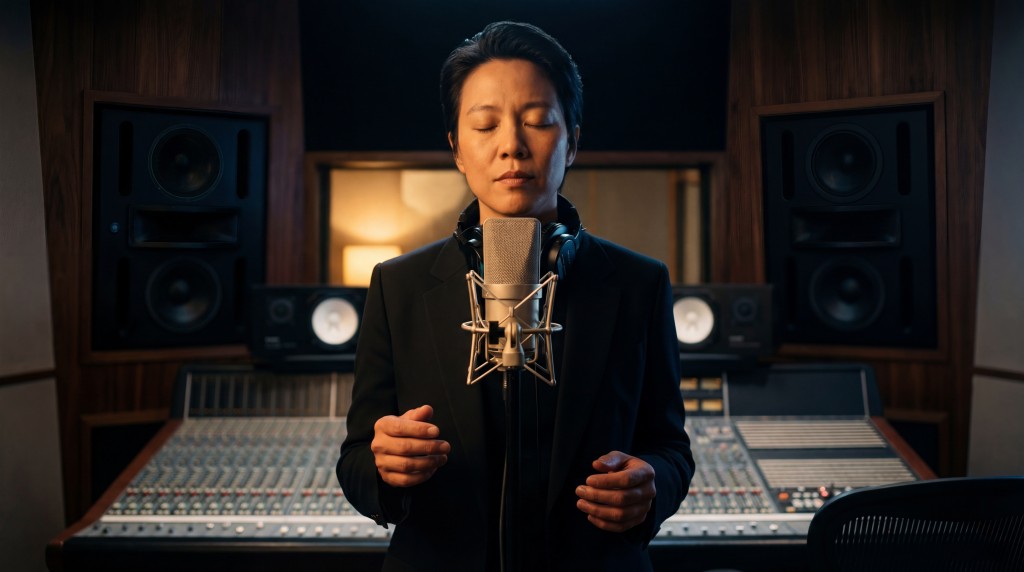
Neumann TLM 103 – Often called the baby U87, the TLM 103 is a high-end condenser that has become a staple in project and pro studios since its introduction in the late ’90s. It’s a large diaphragm condenser with a cardioid pattern, designed as a more affordable alternative to the U87 while still offering that unmistakable Neumann character. Many rap vocals in the 2000s and 2010s were recorded on TLM 103s because they deliver crisp, upfront vocals with low noise. If the TLM 102 is great, the 103 is essentially its bigger brother with even more sensitivity and a presence boost that really makes vocals pop.
Specifications: Condenser LDC; cardioid only; 20 Hz – 20 kHz; incredibly low self-noise (7 dBA); max SPL 138 dB. No switches (flat response, though the natural capsule tuning includes a bump around 5-6 kHz). It’s a solid, somewhat bulky mic that usually comes in nickel or matte black. You can buy it as the “TLM 103 Studio Set” which includes the Neumann shock mount and case.
Unique Benefits: The TLM 103 is known for its “stunningly direct sound with breathtaking definition”. It basically puts your vocals right in the listener’s face, in a good way. Neumann took the capsule design of the U87 and gave the TLM 103 a gentle boost in the presence region to enhance vocal clarity. Rap vocals on a TLM 103 tend to sound polished and articulate, with that expensive sheen. The low frequencies are tight but extended – the 103 has an impressively deep, controlled low end that’s great for rich male vocals or adding gravitas to voiceover, etc.. Another big plus: the self-noise is so low, you can stack numerous vocal tracks and they’ll still be clean. If you’re doing lots of vocal layering or harmonies in hooks, each take will be pristine. Essentially, the TLM 103 defines the modern standard of how a high-end studio mic should perform – and for many, it’s the last vocal mic they ever need.
Pros:
- Exceptional clarity and presence: It offers a “very direct yet refined sound” that’s perfect for vocals, helping them “pop out of the mix without effort.” In rap terms, your voice will cut through even a dense beat with ease, no muddying. The subtle high boost gives intelligibility to fast lyrics.
- Ultra low noise & high output: With only 7 dB-A self-noise and high sensitivity, the TLM 103 is dead quiet. Even in delicate intros or spoken word sections, the mic’s noise won’t be audible. Also, you won’t need to crank your preamp much, which keeps your signal chain clean.
- Neumann pedigree: It uses the K87 capsule lineage and transformerless circuitry – basically a distillation of Neumann’s best tech in a simpler form. The result is that classic authoritative Neumann midrange that has made them #1 in studios worldwide. Owning a Neumann can also be a confidence boost – it’s gear that serious artists use.
- Build quality and support: Rock-solid construction. And since Neumann is a top brand, service or resale is easy if ever needed. It holds value well.
- Versatility: While tuned for vocals, it’s also great on instruments – acoustic guitars shimmer, pianos sound full. If you produce as well, having a 103 in your locker means you have a go-to for almost anything.
Cons:
- Very sensitive to environment: The TLM 103 will hear everything. If your recording space isn’t ideal (noisy neighbors, reverb, computer fans), this mic will pick it up. It truly shines in a well-treated room or booth. In a poor space, you may end up capturing more than you want.
- Can be bright on some voices: That presence boost can be too much for inherently bright voices or for vocals with a lot of sibilance. Some engineers find the 103 “instantly the modern rap sound” but “sometimes harsh” if not matched well. Usually, careful EQ or using a de-esser in mixing handles this, but it’s worth noting.
- No pad or filter: Like many Neumanns, it doesn’t have switches. If you need to reduce bass or pad the input, you must rely on external gear. It handles high SPL fine, but extremely loud screamo might tax it without a pad (most rap vocals will be fine).
- Cost: It’s around $1,100 new. A big investment for an independent artist. You’re paying a premium for Neumann engineering. If you have the budget, it’s often justified by the results; if not, one of the mid-tier options can get you close.
In practice, a lot of indie hip-hop producers and engineers favor the TLM 103 for its polished, radio-ready sound. It’s almost a cheat code for vocal production – put up a 103 and you’re 90% of the way to a professional vocal sound. As Neumann’s description says, “today, the TLM 103 defines the standard by which contemporary studio microphones are measured.” Hard to argue with that; it’s a modern classic that appears on numerous rap albums and is a worthy centerpiece for a pro-grade home studio.
Neumann U87 Ai – The Gold Standard
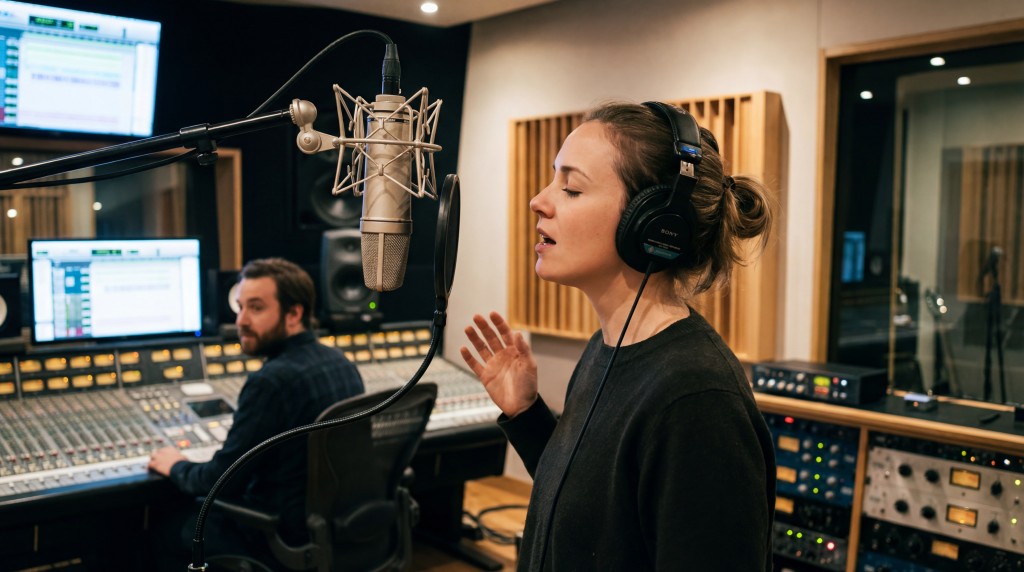
Neumann U87 Ai – This is it. The Neumann U87 is arguably the most famous studio microphone in the world, used on countless iconic recordings over the past half-century. If you walk into a high-end studio and ask for a vocal mic, there’s a good chance they’ll put up a U87. It’s a large-diaphragm condenser with multiple patterns (cardioid, omni, figure-8) and a lush, balanced sound. For rap vocals, the U87 delivers a beautiful combination of fullness and clarity – you’ve heard it on many of your favorite tracks, even if you didn’t know it. Owning one is expensive (around $3,200 new), but we’d be remiss not to mention it, since it’s the mic all others are measured against.
Specifications: Condenser LDC; 3 polar patterns (switchable on the mic); 20 Hz – 20 kHz; has a switchable 10 dB pad and a low-cut filter. Self-noise around 12 dBA, sensitivity ~28 mV/Pa. It comes in a kit (“Set Z”) with the excellent Neumann shockmount and a wooden box. Build is top-notch, with a classic nickel or black finish and that Neumann diamond logo.
Unique Benefits: The U87’s magic lies in its versatility and signature tone. It has a very flat midrange and a slight presence boost around 10 kHz, giving vocals a nice air without being harsh. Its three polar patterns make it useful in any scenario (for vocals you’d typically use cardioid, but the option is there for creative techniques or different room sounds). When you record rap on a U87, you get a sound that is instantly recognizable, yet versatile – it has weight, clarity, and a smooth character that takes EQ and processing exceptionally well. It’s also forgiving to different vocalists; part of why it’s an industry standard is that it sounds good on most voices with minimal tweaking. The U87 basically was born to make vocals shine in the mix, and decades of hits prove that out.
Pros:
- Industry-leading sound quality: There’s a reason the U87 is on so many hit records. Vocals recorded with a U87 tend to sit perfectly “in the pocket” of a mix, shining without much effort. It’s described as “the studio microphone classic” and you’ll hear it on everything from Drake to Kendrick to J. Cole (many top engineers pair a U87 with a good preamp for rap).
- Balanced frequency response: The U87 has a polished tone – rich lows, detailed mids, and an open top end. It’s never thin, and never overly bright. That balance means it can handle aggressive rap or melodic singing equally well. It just sounds “right” on playback.
- Multiple patterns & pad: Need to record a double with two rappers on one mic? Switch to omni. Doing a tight ad-lib where you yell? Engage the -10 dB pad. The flexibility is there. It can even be used to record instruments or as a room mic thanks to these options.
- Built like a tank (and a jewel): U87s from the 1970s are still in use today. The current U87 Ai model continues that tradition. It’s robust and comes in a fancy wooden box – you feel the premium quality. Also, it’s a piece of gear that holds value exceptionally well over time.
- Prestige and familiarity: For any engineer or collaborator you work with, seeing a U87 commands respect. It’s a known quantity – they’ll know how to get the best from it quickly. If you ever rent out your studio or do recording for others, having a U87 is a selling point.
Cons:
- High cost: This is the elephant in the room. At over $3k, a U87 is a serious investment. You have to ensure the rest of your signal chain (preamp, converters) and room acoustics are up to par to truly reap its benefits. Otherwise, it’s like putting race tires on a regular car – not fully utilized. Many independent artists might opt to rent or use studio time for U87 access rather than purchase outright.
- Susceptible to counterfeits: Because of its fame, there are knock-offs out there. One must be careful to buy from reputable dealers. (Not an issue with legitimate sources, but worth noting for such a pricey item).
- Needs good preamps/space: The U87 will sound as good as the chain you put it through. It’s very honest. If your preamp is noisy or your room is bad, it won’t cover that up (no mic really will, but a highly sensitive one like this will make flaws clear). It also has slightly higher self-noise than something like the TLM 103, though in practice it’s still very low.
- Maybe too “standard”: This is subjective, but some artists seek a mic that imparts a unique color. The U87 is more about faithful, flattering reproduction. If you want a vibey sound (like a certain distortion or a super bright fizz or a tube warmth), the U87 is actually pretty neutral. Most see that as a pro (you can shape the sound later), but a few might prefer a mic that already has that color baked in (like a tube mic).
To sum up, the Neumann U87 Ai is the gold standard. It’s “arguably the best known and most widely used studio microphone in the world”, featured on countless iconic recordings. If you have the means and you’re looking for the one mic to handle all your rap vocal needs (and basically any other recording task) at the highest quality, the U87 is a dream choice. It’s an investment that, if cared for, can literally last a lifetime of music-making.
Sony C800G – Hip-Hop’s Holy Grail
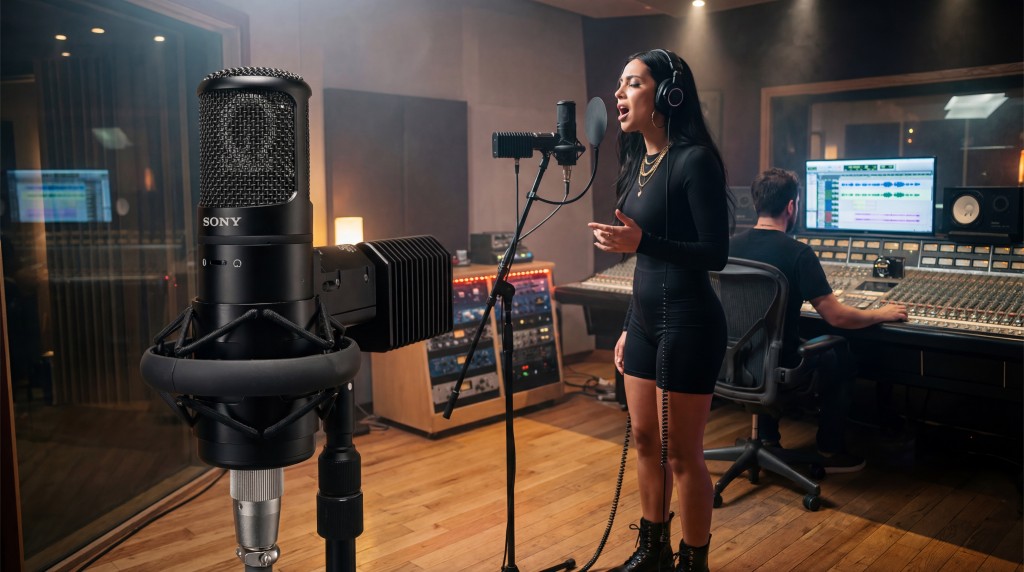
Sony C-800G – Time to talk about the elephant in the booth. The Sony C800G is a large-diaphragm tube condenser mic that has attained legendary status in the hip-hop and R&B world. This is the mic you’ll find in the studios of Dr. Dre, Kanye West, Drake, Travis Scott – the list goes on. It’s known for its distinctive look (with a cooling heatsink on the back) and its ultra-clear, airy sound. The C800G is expensive (over $10,000, if you can even find one in stock), so it’s not an independent artist purchase in almost any scenario. However, I include it here because it’s so influential in shaping the modern rap vocal sound. Many try to emulate or approximate the C800G’s effect with other gear, and knowing its characteristics can inform your mic choices. If the U87 is classic hip-hop, the C800G is modern hip-hop’s not-so-secret weapon.
Specifications: Tube condenser mic with external PSU; fixed cardioid pattern; frequency response roughly 20 Hz – 18 kHz (but with a notable presence bump); extremely high sensitivity; very low self-noise for a tube mic. It has a unique cooling system to keep the tube at optimal temperature. It’s a large mic and often requires careful maintenance of the tube over years.
Unique Benefits: The C800G delivers an extremely polished and bright sound that can make vocals soar in a mix without needing much EQ. It has been described as “one of the most detailed vocal microphones in the world,” with a pleasantly bright airiness that lets a vocal “fit perfectly into your mix — no EQ required.” It’s known for capturing every nuance, every breath, but doing so in a flattering way. Rappers and singers are drawn to its hyper-articulate yet flattering sonic signature – it gives that modern crispness (crispy vocals, as some say) while still sounding rich. Put simply, the C800G makes vocals sound expensive. Dr. Dre noted that “85% of the people that get behind it sound great,” praising its clean sound that doesn’t distort. It has a bit of a low-mid scoop and a high-frequency boost, resulting in a very open sound that can make lyrics extremely intelligible. That’s why fast rappers or soft mumble-type deliveries alike can benefit – clarity is king.
Pros:
- Unmatched clarity and “air”: The C800G yields “near-perfect recordings, particularly in the highest frequencies,” capturing details other mics might miss. Sibilance is present but somehow not harsh; the mic’s voicing gives you brightness without pain. This means vocals often need little top-end EQ – they’re mix-ready.
- Sits in the mix effortlessly: Because of its clear highs and controlled lows, a C800G vocal often requires minimal processing to sit on top of a modern beat. It just shines. It adds a certain polish that’s hard to replicate. Engineers often mention that a C800G track needs less de-essing or muddiness removal.
- Captures emotion and nuance: From a whispery intimate line to a loud belt, the C800G handles it all. It has an expansive dynamic range and transient response that ensure even subtle breaths or inflections come through. Rappers who vary their intensity a lot (say, from laid-back to shouting) love that the mic doesn’t collapse or dull out when they get loud.
- Status symbol in hip-hop: Let’s face it, owning or using a C800G is a status thing. It’s referred to in lyrics and seen in high-end studio photos. Using one can psychologically up an artist’s performance (you feel like a star singing into the “Bentley” of mics). It’s mentioned that it has become “a status symbol within hip-hop circles — proof that you’ve reached a level where you can access the industry’s finest.”
- Modern hip-hop sound: If you want that sound you hear on major releases – that ultra-slick, glossy vocal – the C800G is a direct path to it. It has been the secret sauce on countless chart-toppers.
Cons:
- Astronomical price: At over $10k, this is not something an indie artist buys unless they have substantial resources. And it doesn’t stop at the mic – you need a pristine signal chain (top-tier preamps, converters) to truly do it justice, plus regular tube replacements/maintenance. There are much cheaper ways to get 90% of its effect.
- Requires a controlled environment: The C800G is very sensitive. It will pick up a mouse fart in the corner. High-end studios pair it with high-end isolation booths. In a less controlled room, you could easily pick up too much noise or reflection – basically, you’d be wasting its capabilities.
- Bright isn’t always better: On some voices, the C800G can accentuate sibilance or a brittle quality (especially if the vocalist is very sharp in tone). A poor pairing can result in needing a lot of de-essing or EQ to tame the highs. This mic does not flatter everyone (though many it does).
- Availability and upkeep: Sony doesn’t produce them in large quantities anymore. They’re often back-ordered or only available second-hand. If you did get one, tube mics need warm-up time, careful handling, and tube swaps every so often. They can also be more temperamental (humidity, heat, etc.).
- Alternatives abound: For those not at a superstar budget, note that clones and derivatives exist. For example, the Warm Audio WA-8000 is a $1200 attempt to emulate the C800G’s sound, and Sony even released a smaller solid-state mic (C-80) borrowing some C800G tech for a lower price. There’s also the Townsend Labs Sphere modeling mic and Slate Digital VMS which can emulate a C800G virtually. None are exactly the same, but they can get you in the ballpark for far less.
To illustrate the impact of the C800G: According to Sweetwater, “these days, the Sony C-800G is omnipresent in rap production,” largely due to Dr. Dre’s evangelism since the ’90s. Rappers are drawn to how “hyper-articulate” it makes their lyrics while also adding a “low-midrange sheen” that gives a finished quality. It’s basically the ultimate hip-hop vocal mic, the pinnacle many aspire to use. While you might not own one, you may choose studios specifically because they have it. And knowing what it does (clear highs, minimal coloration, present sound) can guide you to choose other gear to approximate it. For instance, pairing a bright high-quality condenser (like a Neumann TLM 103 or Miktek CV4, etc.) with a clean preamp can chase that vibe. But make no mistake – the C800G is one of a kind. If you ever get a chance to track a vocal on one, you’ll immediately understand why so many platinum records were cut with it.
Honorable Mentions (Pro): AKG C414 XLII (≈$1k) – a versatile multi-pattern mic that’s excellent for vocals; very close in some ways to the C214 but multi-pattern and slightly more refined, widely used in pro studios. Telefunken ELA M 251 and Manley Reference Gold – these are uber-expensive tube mics often heard on great vocals (more in pop/R&B but occasionally rap, giving a silky sound). Sennheiser MD 421 – a dynamic often used in broadcast, which some rappers with very bassy voices use for a different flavor (it’s much cheaper, ~ $380, and known for radio/voice-over warmth). And if we include modern tech: modeling microphones (like the Universal Audio Sphere system) can mimic many of these big boys if you’re tech-savvy, potentially saving money. But ultimately, in the pro realm, a few big names like Neumann and Sony dominate for rap vocals. This is why many guides about the best microphone for rap vocals emphasize vocal tone and recording environment over price alone
Conclusion
Choosing the best microphone for rap vocals ultimately comes down to finding the mic that best complements your voice, your style, and your recording setup. We’ve covered a range of mics – from $100 workhorses to five-figure legends – and each has its place in an independent artist’s journey. If you’re just starting out, a reliable budget mic like the Shure SM58 or the Audio-Technica AT2020 can get you recording right now with solid results. As you hone your craft and upgrade your studio, mid-tier options like the Shure SM7B or AKG C214 offer noticeable leaps in quality and versatility, often delivering that “record-ready” vocal sound that can carry a mixtape or album. And for those aiming for the absolute pinnacle, the high-end mics – Neumanns, Sonys – demonstrate what is achievable when money is no object, serving as benchmarks for the ultimate rap vocal tone.
A few parting tips:
- Match the mic to your voice: A mic that’s “best” on one rapper might be just okay on another. If you have a chance, demo a couple of mics in your price range. A brighter voice might pair well with a smooth, warm mic (like an SM7B), whereas a darker or mumbling voice might benefit from a bright, detailed mic (like a C214 or TLM 103). It’s about synergy. Trust your ears – when you find the mic that captures your flow and emotion authentically, you’ll know.
- Consider your recording environment: As we noted, condensers pick up more room sound, dynamics less so. If you’re in a noisy spot or untreated bedroom, a high-end condenser might not actually give you a better result than a well-used dynamic. On the flip side, if you have access to a quiet, treated space, a condenser can really shine. Don’t forget room treatment is part of getting the best vocal sound (even some DIY acoustic panels or blankets can help a lot).
- Budget for the whole chain: If you grab a nice mic, remember you’ll need a decent audio interface or preamp to do it justice. And things like shock mounts, pop filters, mic stands, and cables are the unsung heroes – they ensure you’re getting the most out of your mic (no rumbles, no plosives, proper positioning). These don’t have to break the bank, but allocate a bit of budget for them.
- The performance is key: At the end of the day, a great mic enhances a great performance; it won’t create one. Practice your delivery, mic technique (like controlling distance for dynamics), and take the time to dial in settings (gain staging, etc.). The sincerest, most energetic take on a budget mic will outshine a lackluster take on a $10k mic every time. Use your gear as tools to capture your artistry in the best light.
This 2026 guide has been crafted to help you navigate the options with both factual insights and personal perspective. The world of microphones can seem technical, but it’s also deeply personal – your mic becomes an extension of your voice. Whether you’re spitting fiery bars in a home setup or crafting melodic hooks in a pro studio, there’s a microphone out there that can help elevate your sound to the next level. Finding the best microphone for rap vocals is ultimately about choosing the tool that keeps you recording, improving, and releasing music consistently. Before comparing specific options, it helps to understand what actually makes the best microphone for rap vocals in a home recording setup.
Here’s to finding the best mic for your rap vocals – may it help you drop verses that hit harder, sound clearer, and connect even deeper with your listeners. Good luck, and keep making music that’s true to you!
| Mic Name | Features | Price Range | What makes it great | Quick Link |
|---|---|---|---|---|
| Shure SM58 | Dynamic, cardioid, extremely durable | $$ | Industry-standard live vocal mic with legendary reliability | Buy on Amazon |
| Audio-Technica AT2020 | Cardioid, side-address, low noise | $$ | Professional sound at a budget price | Buy on Amazon |
| RØDE NT1 (5th Gen) | Ultra-low noise, dual output (XLR/USB), built-in DSP | $$$ | Pro-grade hybrid mic with studio-quality DSP | Buy on Amazon |
| Shure SM7B | Dynamic, cardioid, flat wide-range response | $$$$ | Iconic broadcast/vocal mic known for its rich, warm sound | Buy on Amazon |
| AKG C214 | Condenser, large-diaphragm, cardioid pattern | $$$$ | Classic AKG warmth and detail at an accessible price | Buy on Amazon |
| Neumann TLM 102 | German engineering, titanium capsule | $$$$$ | Industry-standard professional quality | Buy on Amazon |
| Neumann TLM 103 | Condenser, large diaphragm, very low self-noise | $$$$$ | Offers Neumann’s renowned clarity and detail for studios | Buy on Amazon |
| Neumann U87 Ai | Condenser, multi-pattern, legendary design | $$$$$ | The industry-standard studio mic with unparalleled versatility | Buy on Amazon |
| Sony C800G | Condenser, vacuum tube, built-in cooling system | $$$$$ | Ultra-premium vocal mic prized for its silky, high-fidelity sound | Buy on Amazon |
Sources:
- Sweetwater Staff, “Best Microphones for Vocals,” Sweetwater (industry standard status of SM58; SM7B usage on Thriller and with rap artists)
- Shure Incorporated, “How to Choose the Best Microphone for Vocals,” Shure Blog (Shure’s note on SM7B delivering smooth, warm vocals from rap to rock)
- MusicRadar, “Best cheap microphones for recording 2025,” (Jono Buchanan & Matt McCracken reviews) (AT2020 value and tone; Rode NT1 longevity and low noise floor)
- Audio-Technica, AT2020 Product Description, Amazon (AT2020 as price/performance standard and ideal for home studios)
- Neumann GmbH, “TLM 103 – A Modern Classic”, Neumann Product Page (TLM 103 presence boost, perfect for vocals, ultra-low self-noise specs)
- Sweetwater (Mac McDonough), “Sony C-800G: Hip-hop’s (Not So) Secret Weapon,” Sweetwater (Sony C800G’s clarity, Dr. Dre’s usage and influence in rap).