
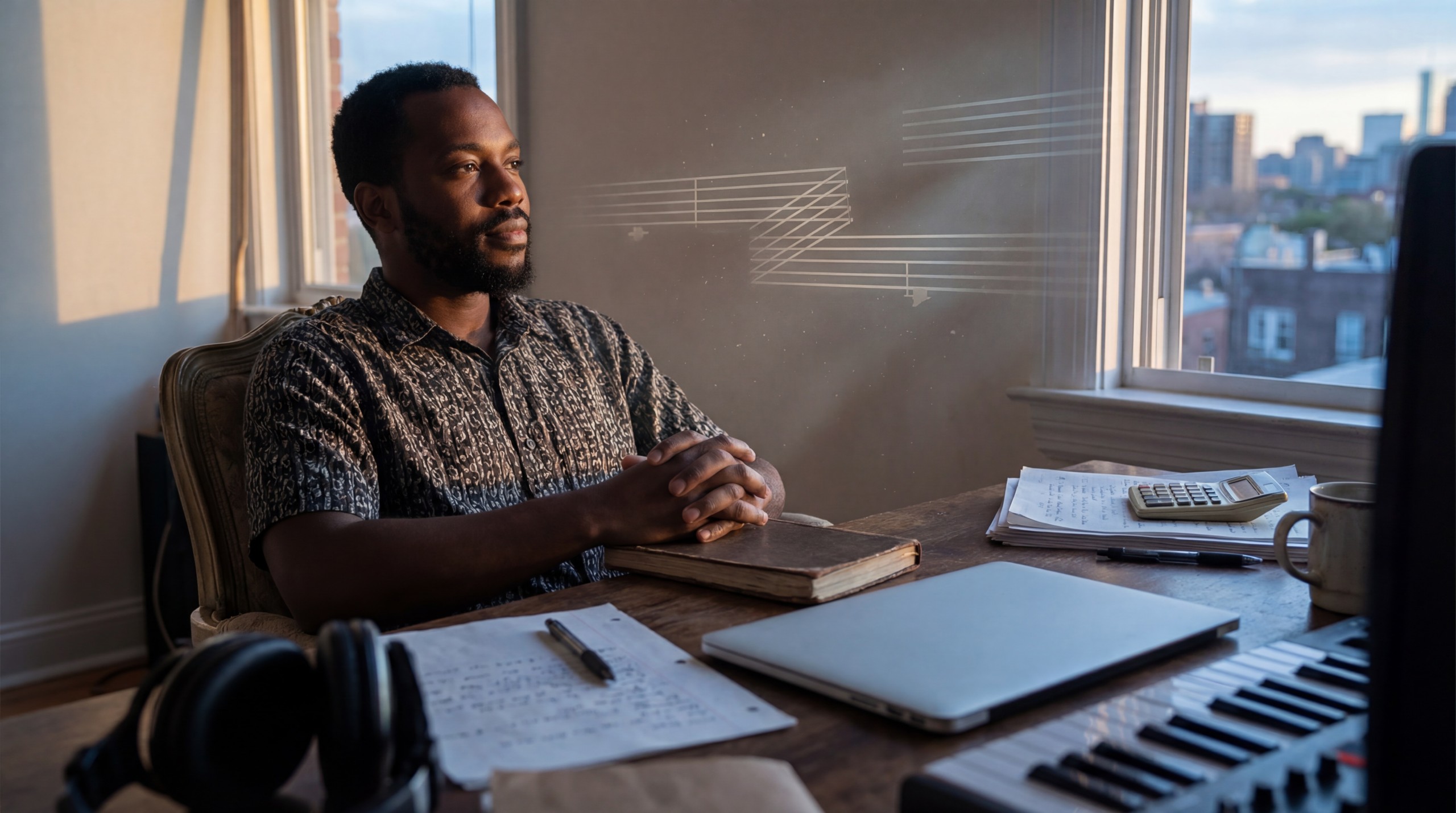
For a long time, money felt like the enemy of my creativity. I told myself that if I cared too much about income, the work would lose its soul. I believed that real artists struggled and that wanting financial stability somehow meant I was selling out. That mindset felt noble when I was younger, but it also kept me confused, exhausted, and constantly second guessing myself.
When I finally decided to treat my art like a business, nothing magically became easy. What changed was my relationship with money. I stopped seeing it as proof of worth or failure and started seeing it as feedback. That shift alone changed everything.
In the beginning, I made almost every mistake you can imagine. I underpriced myself because I was afraid people would say no. I gave away work for exposure that never turned into anything real. I avoided looking at numbers because they made me uncomfortable. I told myself I was focused on the art while quietly stressing about rent and time. The truth was that ignoring money did not protect my creativity. It slowly drained it.
One of the first lessons I learned is that money is not emotional until we make it emotional. When art is just a passion, money feels distant. Once art becomes your livelihood, money becomes personal. Every slow month feels like a reflection of your talent. Every good month feels like permission to breathe. Learning to separate income from identity is one of the hardest and most necessary skills an artist can develop.
Turning art into a business forced me to confront structure. I realized that creativity thrives with boundaries, not chaos. When I had no plan, I felt busy but stuck. When I started tracking income, expenses, and time, I felt uncomfortable at first but eventually empowered. Knowing my numbers did not make me less creative. It made me more honest.
I learned that consistency matters more than inspiration. Waiting to feel ready or inspired kept me invisible. Showing up regularly, even when the work felt imperfect, built trust with my audience and with myself. Money followed consistency, not the other way around. The artists who last are rarely the most talented. They are the ones who learn how to keep going without burning out.
Another hard lesson was realizing that not all income feels good. Some money comes with stress, resentment, or misalignment. Just because someone is willing to pay does not mean the opportunity is right. Early on, I said yes to everything because I thought saying no would close doors. Over time, I learned that boundaries are a form of self respect. The right money supports your growth instead of distracting from it.
Pricing taught me more about confidence than any motivational quote ever could. Every time I raised my prices, I felt exposed. I worried that people would disappear or think I was being greedy. What actually happened was that the people who valued the work stayed and the rest faded out quietly. Charging what something is worth is not about ego. It is about sustainability.
I also learned that multiple income streams are not about greed. They are about stability. Relying on one source of income made every setback feel catastrophic. Diversifying allowed me to breathe. It gave me room to experiment creatively without panicking about survival. Freedom came from options, not from chasing the biggest paycheck.
One of the most surprising lessons was how much mindset affects money. The stories I told myself about what I deserved showed up in my bank account. When I believed struggle was noble, I struggled. When I allowed myself to imagine stability, I built systems that supported it. Money does not respond to wishful thinking. It responds to clarity and intention.
Turning my art into a business also changed how I viewed time. I became more protective of it. I stopped equating busyness with progress. I started asking whether the work I was doing moved me closer to my goals or just kept me occupied. Time is the most expensive thing an artist gives away, and learning to value it changed how I priced, planned, and partnered.
There was also grief in the transition. Letting go of the romantic idea of the starving artist felt like losing part of my identity. That version of me was familiar. It was also limiting. I had to accept that wanting comfort, security, and growth did not make me less authentic. It made me honest about my needs.
Money also revealed where I lacked discipline. It showed me my habits clearly. Late invoices, inconsistent releases, unfinished projects, and avoidance all had financial consequences. Instead of judging myself, I learned to observe patterns. Growth came from adjustment, not shame.
One of the most important lessons was learning to receive. For a long time, I was more comfortable giving than accepting. Compliments felt awkward. Payments felt heavy. Learning to receive money with gratitude instead of guilt allowed energy to flow more freely. When you treat money like something dirty or undeserved, it does not stick around.
Turning art into a business also taught me that money is a language. It communicates value, trust, and commitment. When someone invests in your work, they are participating in your vision. That exchange deserves respect on both sides. Professionalism is not cold. It is caring enough to create a clear experience.
I stopped chasing validation and started focusing on alignment. The more aligned my work felt with who I am, the easier it became to talk about money without discomfort. Selling stopped feeling like convincing and started feeling like inviting. That shift changed how people responded.
Looking back, I wish someone had told me that money does not corrupt art. Avoidance does. Confusion does. Fear does. Clarity is what protects creativity. When your basic needs are met, your mind is freer to explore, risk, and express.
Turning my art into a business did not make me less of an artist. It made me more responsible for the life I wanted to live. Money became a tool instead of a threat. It became something I could work with instead of something I reacted to.
I am still learning. The relationship with money continues to evolve. Some months are better than others. Doubt still shows up. But now I understand that money reflects systems, not worth. It reflects habits, not talent. And most importantly, it reflects how willing you are to take yourself seriously.
That lesson alone was worth the transition.